
African Safari Adventures: What to Expect
Africa is home to some of the most awe-inspiring landscapes, wildlife, and cultural experiences in the world. Among the most exciting and adventurous ways to explore this magnificent continent is through an African safari. Whether you're a wildlife enthusiast, a photography lover, or just someone seeking an unforgettable adventure, an African safari offers a rare opportunity to witness the planet's most iconic animals in their natural habitats. But what exactly can you expect on an African safari? In this article, we’ll explore the thrilling aspects of an African safari, from the wildlife encounters to the cultural experiences, and what you should know before embarking on your own safari adventure.
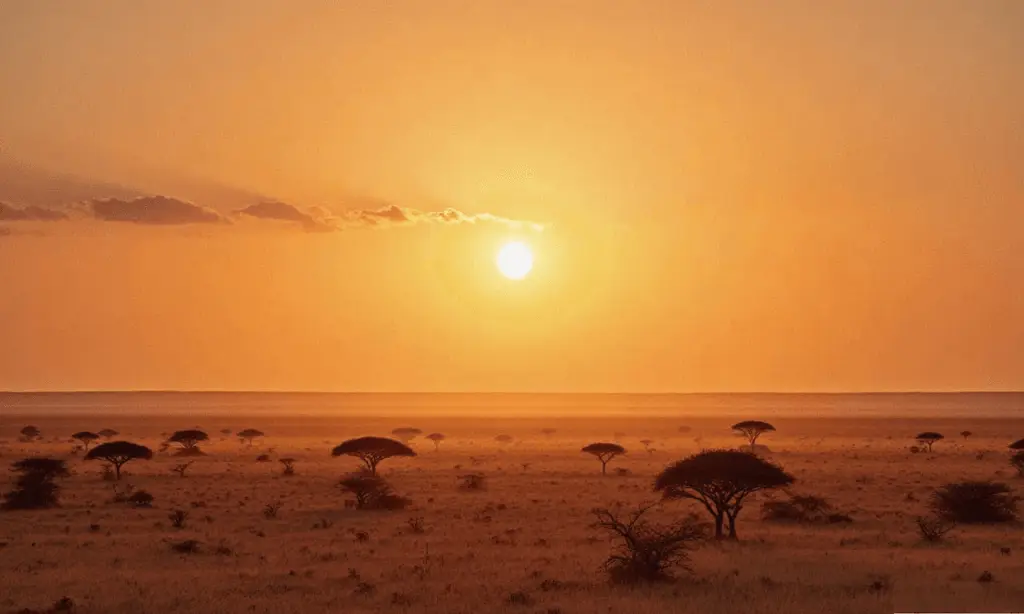
1. Safari Destinations in Africa
The first thing to know when planning an African safari is that the continent offers a variety of safari destinations. Some of the most popular countries for safaris include Kenya, Tanzania, South Africa, Botswana, and Namibia. Each destination offers unique experiences and a different range of animals and landscapes.
- Kenya: Known for the iconic Maasai Mara National Reserve, Kenya offers thrilling game drives, especially during the Great Migration. The Maasai Mara is home to the "Big Five" (lion, elephant, buffalo, leopard, and rhinoceros), as well as cheetahs, giraffes, and countless species of birds.
- Tanzania: Tanzania is home to the Serengeti National Park, where you can witness the annual wildebeest migration, one of nature's most spectacular events. You can also visit Ngorongoro Crater, a UNESCO World Heritage site, where wildlife thrives in a volcanic caldera.
- South Africa: South Africa’s Kruger National Park is one of the most famous safari destinations, offering diverse wildlife and easy access from major cities like Johannesburg. South Africa also offers luxury safari options with the added bonus of vineyards and culture.
- Botswana: The Okavango Delta in Botswana is a water-based safari experience, where you can explore by boat and see wildlife such as elephants, hippos, and crocodiles in a serene and unique environment.
- Namibia: Known for the otherworldly landscapes of the Namib Desert and the towering dunes of Sossusvlei, Namibia offers a less conventional safari experience focused on the dramatic desert environment and its wildlife.
2. What Wildlife to Expect
One of the main draws of an African safari is, of course, the opportunity to encounter wildlife in its natural environment. The diverse ecosystems across the continent allow for an exciting variety of animals to be seen.
- The Big Five: The "Big Five" — lions, elephants, buffaloes, leopards, and rhinos — are the highlight for many safari-goers. These majestic animals are often the main focus of game drives, and spotting them is a major achievement for safari enthusiasts.
- Birdwatching: For bird lovers, Africa is a paradise. The continent is home to hundreds of bird species, including the colorful lilac-breasted roller, the majestic African fish eagle, and the endangered vulture species. Birdwatching is a rewarding experience for those looking to spot exotic species.
- Cultural Wildlife: Beyond the typical game drives, safaris can also include visits to local tribes, such as the Maasai in Kenya or the Himba in Namibia. These encounters offer insights into traditional African ways of life and add an enriching cultural dimension to your safari.
- Endangered Species: In addition to the Big Five, safaris also provide opportunities to see some of Africa's most endangered species, including the African wild dog, cheetah, and the mountain gorilla in Rwanda and Uganda.
3. What Safari Activities to Expect
An African safari is more than just a series of game drives; it's an immersive experience with various activities that allow you to connect with nature and wildlife in different ways.
- Game Drives: The most popular safari activity, game drives are typically conducted in 4x4 vehicles with a guide who knows the local terrain and wildlife. These drives occur at different times of the day, usually early morning and late afternoon, when animals are most active.
- Walking Safaris: A walking safari provides a more intimate experience. Accompanied by an armed guide, you’ll explore the wilderness on foot and learn about the flora and fauna, including smaller creatures like insects, birds, and plants.
- Boat Safaris: In places like the Okavango Delta in Botswana and the Chobe River in Zimbabwe, boat safaris allow you to see wildlife from a completely different perspective. These safaris provide close-up views of animals like hippos and crocodiles while gliding peacefully through waterways.
- Hot Air Balloon Safaris: For a truly unique experience, some safari destinations offer hot air balloon rides at sunrise. As you float over the savannah, you’ll have an incredible aerial view of the wildlife below, creating unforgettable memories and amazing photographs.
- Night Safaris: Night safaris are an exciting way to see nocturnal animals in action. With the help of spotlights, you’ll be able to spot creatures like leopards, owls, and bush babies that are hard to see during the daytime.
4. Safari Accommodations
When it comes to accommodations, African safaris offer a wide range of options, from luxury lodges to more rustic tented camps. No matter the style of safari, the accommodations will immerse you in the natural beauty of the surroundings.
- Luxury Lodges: For those seeking comfort and sophistication, luxury lodges provide top-tier amenities, private pools, and even personal butlers. These lodges are often located in prime wildlife areas, offering a luxurious base for your safari adventures.
- Tented Camps: For a more authentic experience, staying in a tented camp allows you to be closer to nature while still having access to comfortable amenities. These camps offer a true "glamping" experience with elegant tents, gourmet meals, and an intimate atmosphere.
- Mobile Camps: For those looking for an adventurous, off-the-beaten-path safari, mobile camps move from place to place, following the migration or providing access to less-visited areas. These camps offer a more rugged experience but still ensure comfort and safety.
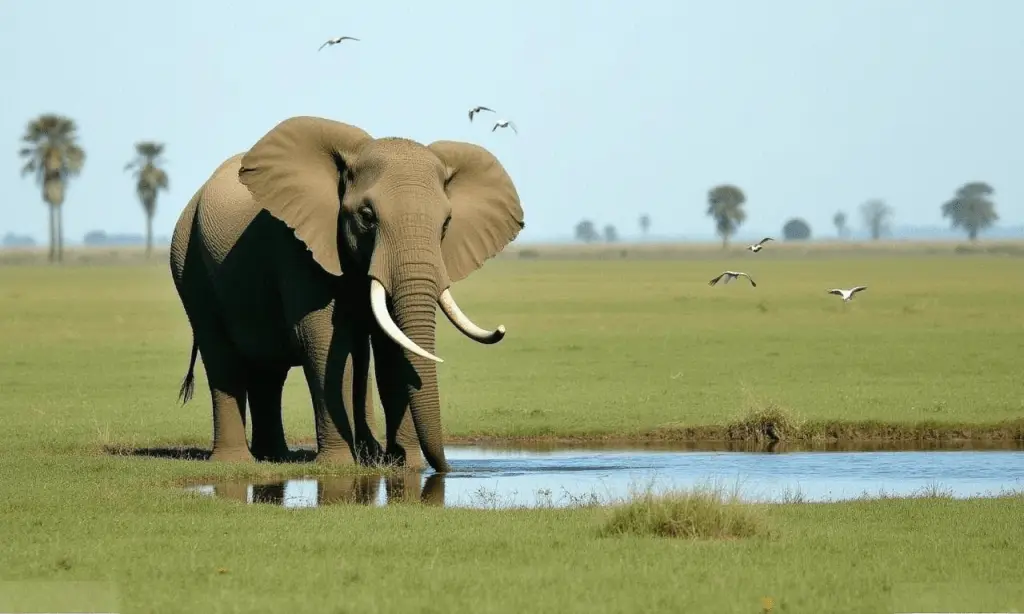
5. When to Go on Safari
The best time to go on safari depends on the region and the type of experience you're looking for.
- Dry Season: The dry season, which typically runs from June to October, is considered the best time for safaris in East and Southern Africa. During this period, wildlife is easier to spot as animals congregate around waterholes, and the vegetation is less dense.
- Green Season: The green season, or rainy season, from November to March, brings lush landscapes and baby animals. This is a quieter time to visit, and many lodges offer lower rates during this period. It’s a great time for birdwatching and photography.
6. Tips for an Enjoyable Safari
- Pack Light but Smart: Light, neutral-colored clothing is ideal for safari. Avoid bright colors, as they can attract insects or disturb wildlife. Don't forget essentials like a hat, sunscreen, insect repellent, and a good pair of binoculars.
- Respect Wildlife: Always follow the rules of your guide and respect the animals’ space. Safaris are about observing animals in their natural habitat, and maintaining a safe distance ensures both your safety and theirs.
- Stay Hydrated: The African sun can be intense, so always carry plenty of water and stay hydrated during your safari activities.
- Bring a Camera: Safaris offer incredible photo opportunities. Bring a good camera with a zoom lens to capture the animals up close without disturbing them.
Conclusion
An African safari is a once-in-a-lifetime experience that offers an intimate, thrilling, and awe-inspiring way to explore the natural world. From the vast savannas of Kenya to the wetlands of Botswana, there is a safari destination for every type of traveler. Whether you’re chasing the Big Five or hoping to witness the migration, an African safari is sure to leave you with memories that last a lifetime. Be sure to plan your trip carefully and consider the best times to go, the type of safari accommodations, and the unique activities that will make your adventure unforgettable.
Disclaimer:
This article is for informational purposes only. Always consult with a professional travel agency or safari operator to confirm the best safari options for your needs. Please ensure your safety and respect for the wildlife while participating in safari activities.


