Embarking on a camping trip is an exhilarating way to escape the hustle and bustle of daily life and immerse yourself in the wonders of nature. Whether you're planning a weekend getaway to a nearby forest or a multi-week expedition into the wilderness, preparing for your outdoor adventure requires careful consideration of what to pack. The right gear can significantly enhance your experience, ensuring safety, comfort, and fun. Here's a comprehensive guide to the camping essentials you need for your next outdoor escapade.
Tent:
Your tent is your home away from home. Choose a durable, weather-resistant model that can accommodate your entire group comfortably. Make sure it's adequately sized and easy to set up. Look for features like vestibules for storage, mesh panels for ventilation, and a rainfly to keep you dry.
Sleeping Bag:
A good sleeping bag is crucial for a restful night. Select one based on the lowest temperatures you'll encounter. Down bags are lightweight and warm but require dry conditions, while synthetic bags are more affordable and perform better when wet.
Sleeping Pad:
A sleeping pad adds a layer of comfort and insulation between you and the ground. Self-inflating pads and foam mats are popular choices, offering varying levels of cushioning and packability.
Pillow:
Don't underestimate the importance of a good night's sleep. A compact travel pillow can make a world of difference, whether it's a blow-up version or a small, stuffed one.
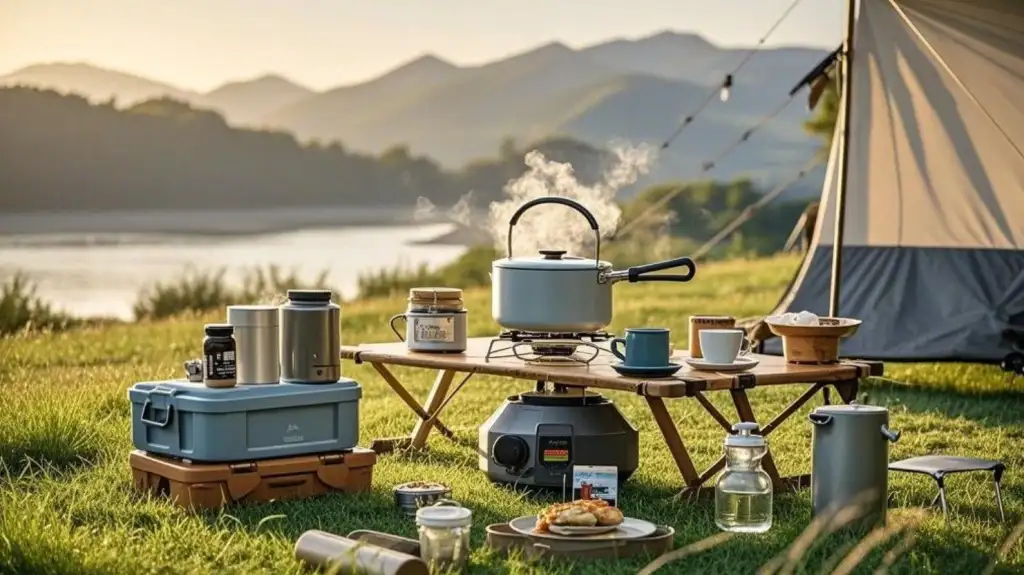
Portable Stove or Campfire Setup:
Depending on your preferences and campground rules, you'll need either a portable stove with fuel canisters or a setup for building a campfire. Stoves are convenient and controlled, while campfires offer a traditional camping experience.
Cookware and Utensils:
Pack lightweight, durable pots, pans, and utensils. A set that nests together efficiently is ideal for saving space. Don't forget essential items like spatulas, spoons, tongs, and a knife.
Plates, Cups, and Bowls:
Disposable options are easy and lightweight, but reusable plates, cups, and bowls are more environmentally friendly and can be used on multiple trips.
Food and Snacks:
Plan your meals in advance, considering easy-to-prepare options that don't require refrigeration. Non-perishable items like granola bars, nuts, jerky, and dried fruit are great snacks. For meals, consider freeze-dried food, canned goods (with a can opener), or dehydrated meals that just need hot water.
Water Filtration or Purification:
Clean water is essential. Bring a portable water filter, purification tablets, or a UV purifier to ensure your water is safe to drink.
Cooking Accessories:
This includes matches or a fire starter, a lighter, cooking oil, spices, foil or parchment paper for cooking, and a cooler with ice packs for perishable items.
Layering Clothes:
Dress in layers to stay warm or cool as needed. Start with moisture-wicking base layers, add insulating layers like fleece or wool, and top with a waterproof and windproof outer layer. Don't forget hats, gloves, and a beanie for cold weather.
Footwear:
Sturdy, waterproof hiking boots are a must. Bring extra socks, preferably moisture-wicking and wool or synthetic blends, to keep your feet dry and comfortable.
Rain Gear:
A lightweight, packable rain jacket and rain pants are crucial for unexpected showers. Waterproof bags or covers can protect your gear from getting wet.
Personal Hygiene Items:
Pack biodegradable soap, toothbrush, toothpaste, hand sanitizer, toilet paper, baby wipes (for body cleaning if shower facilities aren't available), and any medications you need. A small towel or quick-dry microfiber towel is also handy.
Sun Protection:
Sunglasses, sunscreen with high SPF, and a wide-brimmed hat are essential to protect yourself from harmful UV rays.
Map and Compass:
Even if you're using a GPS, it's a good idea to carry a physical map and know how to use a compass. Technology can fail, and traditional navigation skills are invaluable.
GPS Device or Smartphone:
Download offline maps and navigation apps before you leave, and carry a fully charged power bank to keep your devices running.
Headlamp or Flashlight:
With extra batteries or a rechargeable option, a headlamp is more convenient than a flashlight as it frees up your hands. Bring a spare light source in case of failure.
Multi-tool or Knife:
A reliable multi-tool or knife can be incredibly useful for various tasks around camp.
First Aid Kit:
A comprehensive first aid kit is a must. Include bandages, antiseptic wipes, tweezers, pain relievers, allergy medication, and any personal medications you need.
Emergency Shelter and Signals:
Pack an emergency blanket or bivy sack, a whistle, and a mirror or signal flare for signaling for help if needed.
Fire Extinguisher:
Especially if you're planning to use a stove or have a campfire, a small, portable fire extinguisher provides an added layer of safety.
Backpack:
Choose a backpack that fits comfortably and has enough capacity for all your gear. Make sure it has adequate padding, adjustment straps, and pockets for organization.
Camp Chair:
A lightweight, foldable camp chair adds a touch of luxury to your camping experience. Look for models that are easy to set up and pack away.
Storage Solutions:
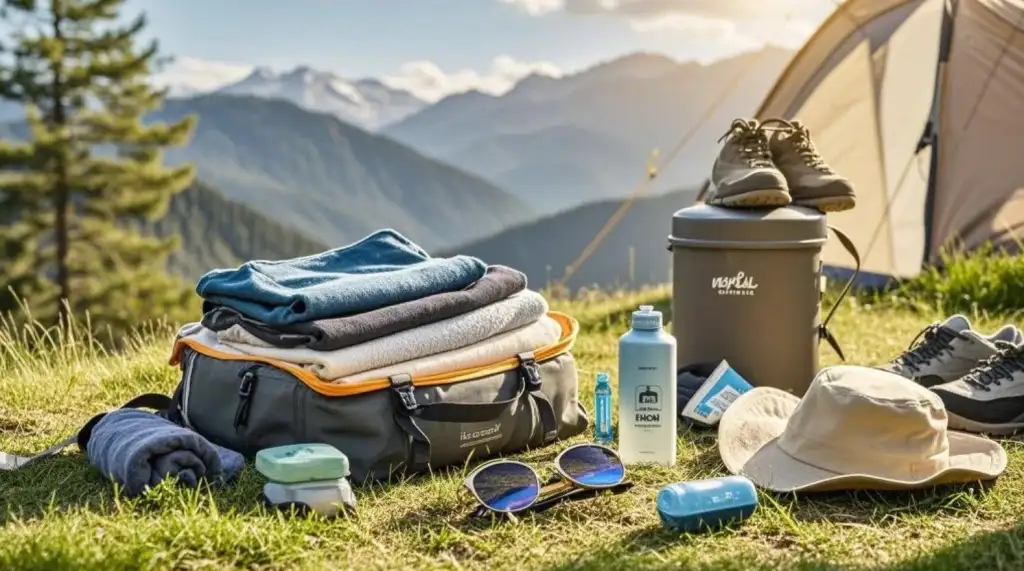
Compression bags, dry bags, and packing cubes can help you organize and maximize space in your backpack.
Trash Bags:
Practice Leave No Trace principles by packing out all your waste. Bring several trash bags for garbage and recycling.
Entertainment:
A deck of cards, a travel-sized board game, or a book can provide some downtime entertainment. Consider bringing a portable speaker for music, but be mindful of noise levels and other campers.
Documentation:
Carry copies of important documents like your ID, insurance, and emergency contact information. A printed map or itinerary can also be helpful if your electronic devices fail.
Camping is a rewarding way to connect with nature and create lasting memories. By carefully selecting and packing the right gear, you can ensure a safe, comfortable, and enjoyable experience. Remember to check the weather forecast, inform someone of your plans, and always be prepared for unexpected changes. Happy camping!
wendy
|
2025.03.19


