Cultural festivals are the heartbeat of humanity, offering a vibrant window into traditions, creativity, and communal spirit. From masked parades steeped in ancient rituals to modern celebrations of art and music, these events transform destinations into living, breathing spectacles. For travelers, attending a cultural festival isn’t just about witnessing a show—it’s about immersing yourself in stories, flavors, and rhythms that define a place. Whether you’re dancing in Rio’s Carnival crowds or lighting lanterns in Thailand, this guide highlights 20+ unmissable festivals across six continents, along with tips to plan your trip like a pro.
1. Festivals of Light: Illuminating Traditions
Light symbolizes hope, renewal, and triumph across cultures. These festivals turn darkness into magic.
a. Diwali (India)
- When: October/November (dates vary by lunar calendar).
- Where: Nationwide, but most iconic in Jaipur, Varanasi, and Amritsar.
- Why Go: Known as the “Festival of Lights,” Diwali celebrates the victory of light over darkness with millions of oil lamps, fireworks, and intricate rangoli (floor art).
- Don’t Miss: The Golden Temple in Amritsar, lit with 100,000 lamps reflecting on its sacred waters.
- Travel Tip: Book trains and hotels early; this is India’s busiest travel period.
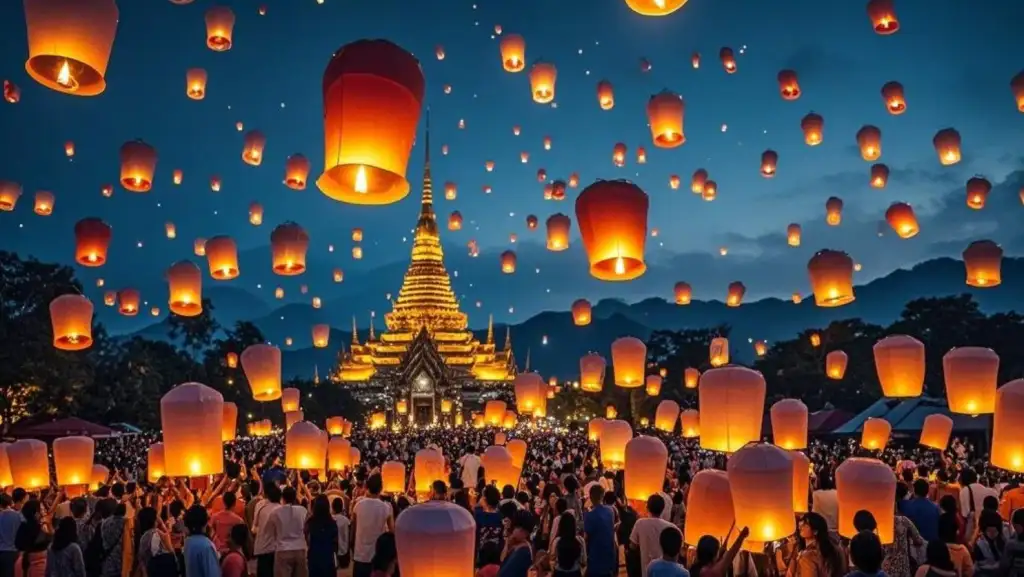
b. Yi Peng Lantern Festival (Thailand)
- When: November (aligned with the full moon).
- Where: Chiang Mai.
- Why Go: Thousands of paper lanterns (khom loi) float into the sky, symbolizing the release of negativity.
- Don’t Miss: The synchronized lantern launch at Mae Jo University.
- Travel Tip: Attend a respectful workshop to make your own lantern; avoid releasing sky lanterns outside designated areas.
c. Hanukkah (Israel & Global Jewish Communities)
- When: December (eight days).
- Where: Jerusalem’s Western Wall, New York City, or Berlin.
- Why Go: The Festival of Lights commemorates the rededication of the Second Temple with menorah lightings, fried foods (latkes, sufganiyot), and games.
- Don’t Miss: The giant menorah lighting in NYC’s Central Park.
2. Carnival Celebrations: Dance, Masks, and Revelry
Carnivals are explosions of music, costume, and cultural pride, often tied to pre-Lenten traditions.
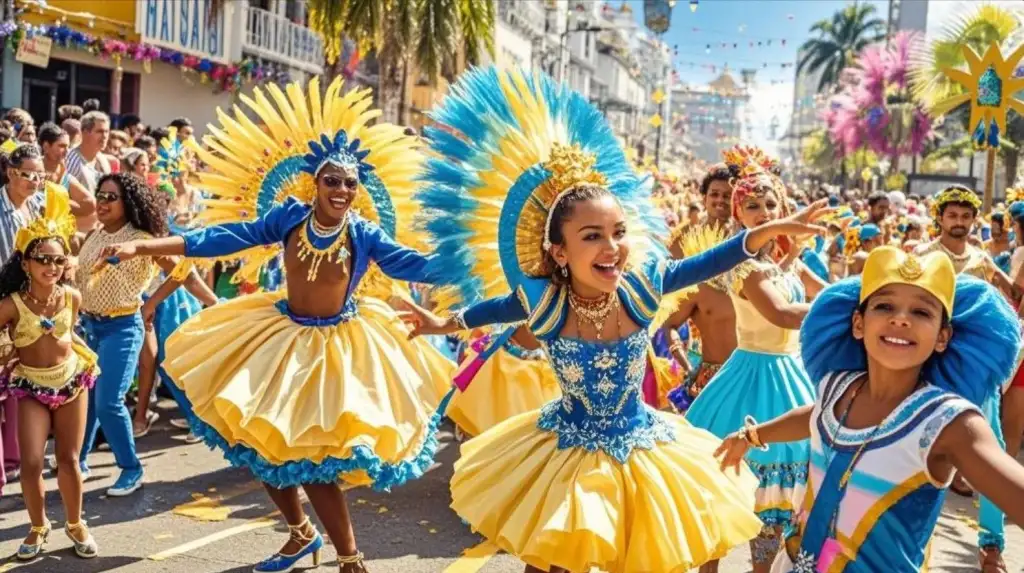
a. Rio Carnival (Brazil)
- When: February/March (five days before Lent).
- Where: Rio de Janeiro.
- Why Go: The world’s largest carnival features samba parades, blocos (street parties), and over two million daily revelers.
- Don’t Miss: The Sambadrome parade, where samba schools compete in a riot of feathers and sequins.
- Travel Tip: Stay in neighborhoods like Copacabana or Ipanema for easy access to blocos.
b. Venice Carnival (Italy)
- When: February (two weeks before Ash Wednesday).
- Where: Venice.
- Why Go: A Renaissance-era tradition of opulent masks, gondola processions, and masked balls.
- Don’t Miss: The Festa delle Marie parade, reenacting the rescue of kidnapped brides.
- Travel Tip: Rent a costume from a local atelier like Atelier Pietro Longhi for authenticity.
c. Trinidad and Tobago Carnival
- When: February/March.
- Where: Port of Spain.
- Why Go: The birthplace of steelpan music, this carnival blends African, Indian, and Creole influences with j’ouvert mud parties and “pretty mas” costumes.
- Don’t Miss: The King and Queen of the Carnival costume competition.
3. Harvest and Seasonal Festivals
Celebrations of gratitude for earth’s bounty, often tied to equinoxes or harvest cycles.
a. Oktoberfest (Germany)
- When: Late September to early October.
- Where: Munich.
- Why Go: The world’s largest beer festival, rooted in 1810 royal wedding celebrations.
- Don’t Miss: The opening parade, where brewers carry barrels to the Schottenhammel tent.
- Travel Tip: Reserve tent seats months in advance or arrive early for non-reserved areas.
b. Mid-Autumn Festival (China & Southeast Asia)
- When: September/October (full moon of the eighth lunar month).
- Where: Hong Kong, Singapore, Hanoi.
- Why Go: Families reunite to admire the moon, eat mooncakes, and light lanterns.
- Don’t Miss: Hong Kong’s Tai Hang Fire Dragon Dance, a 300-year-old tradition.
c. Pchum Ben (Cambodia)
- When: September/October (15 days).
- Where: Countrywide, most atmospheric at Angkor Wat.
- Why Go: A Buddhist festival honoring ancestors, with offerings of rice balls and chanting ceremonies.
- Travel Tip: Dress modestly and avoid touching monks’ robes.
4. Music and Dance Extravaganzas
Where rhythm and movement unite global audiences.
a. Glastonbury Festival (England)
- When: June (five days).
- Where: Somerset.
- Why Go: The iconic mud-soaked festival blends rock, pop, and activism across 100+ stages.
- Don’t Miss: The sunrise sound baths at the Stone Circle.
- Travel Tip: Pack waterproof boots and a reusable water bottle.
b. Fes Festival of World Sacred Music (Morocco)
- When: June.
- Where: Fes.
- Why Go: Sufi chants, Gregorian choirs, and Gnawa music echo in medieval courtyards.
- Don’t Miss: The opening night at Bab Makina, a 14th-century gate lit with projections.
c. New Orleans Jazz & Heritage Festival (USA)
- When: April/May.
- Where: New Orleans.
- Why Go: A celebration of jazz, blues, and Creole culture with crawfish étouffée and second-line parades.
- Don’t Miss: The Mardi Gras Indians’ suits of hand-sewn beads and feathers.
5. Spiritual and Religious Pilgrimages
Journeys of faith that welcome travelers into sacred traditions.
a. Kumbh Mela (India)
- When: Every 12 years (next in 2025).
- Where: Prayagraj, Haridwar, Nashik, or Ujjain (rotating).
- Why Go: The largest human gathering on Earth, where millions bathe in holy rivers to cleanse sins.
- Travel Tip: Hire a local guide to navigate the crowds safely.
b. Day of the Dead (Mexico)
- When: October 31–November 2.
- Where: Oaxaca, Mexico City.
- Why Go: Families honor deceased loved ones with marigold altars, sugar skulls, and candlelit processions.
- Don’t Miss: The comparsa (parade) in Mexico City’s Zócalo square.
c. Hajj (Saudi Arabia)
- When: Dhu al-Hijjah (Islamic lunar month).
- Where: Mecca.
- Why Go: Islam’s holiest pilgrimage, mandatory for able-bodied Muslims. Non-Muslims cannot attend, but nearby Jeddah offers cultural insights.
6. Winter Wonderlands: Snow and Ice Festivals
a. Harbin Ice and Snow Festival (China)
- When: December–February.
- Where: Harbin.
- Why Go: Massive ice sculptures, illuminated castles, and snow slides create a frozen fairy tale.
- Travel Tip: Dress in layers—temperatures can drop to -30°C (-22°F).
b. Sapporo Snow Festival (Japan)
- When: February.
- Where: Sapporo.
- Why Go: Intricate snow sculptures, from anime characters to life-size temples.
- Don’t Miss: The illuminated Odori Park sculptures at night.
c. Quebec Winter Carnival (Canada)
- When: January/February.
- Where: Quebec City.
- Why Go: Ice canoe races, night parades, and Bonhomme Carnaval’s ice palace.
- Pro Tip: Try caribou, a hot alcoholic drink, to stay warm.
7. Unique and Quirky Festivals
a. La Tomatina (Spain)
- When: Last Wednesday of August.
- Where: Buñol.
- Why Go: A 60-minute tomato fight where 20,000 people hurl 150 tons of tomatoes.
- Travel Tip: Wear goggles and old clothes—tomato pulp stings!
b. Holi (India & Nepal)
- When: March.
- Where: Mathura, Vrindavan, or Kathmandu.
- Why Go: The “Festival of Colors” celebrates spring with powdered pigments, music, and bhang (cannabis-infused drinks).
- Don’t Miss: Lathmar Holi in Barsana, where women playfully hit men with sticks.
c. Up Helly Aa (Scotland)
- When: January.
- Where: Lerwick, Shetland Islands.
- Why Go: A Viking fire festival with a torchlit parade and galley burning.
- Travel Tip: Book ferries and lodging early—this remote festival draws global crowds.
Tips for Festival-Goers
- Plan Ahead: Many festivals require tickets, costumes, or reservations months in advance.
- Respect Local Customs: Research dress codes, photo policies, and sacred rituals.
- Stay Safe: Keep valuables secure in crowds; use anti-theft bags.
- Go Green: Carry a reusable water bottle and avoid single-use plastics.
- Support Local: Buy handicrafts directly from artisans and eat at family-run stalls.
Conclusion: Celebrate the World’s Tapestry
Cultural festivals remind us that joy, grief, and hope are universal languages. By participating respectfully, travelers not only witness traditions but also become temporary threads in a community’s story. So whether you’re tossing tomatoes in Spain or meditating under Thai lanterns, embrace the chaos, connect with strangers, and let these festivals transform how you see the world—one celebration at a time.


