A road trip is the ultimate adventure—a chance to explore hidden gems, bond with travel companions, and embrace the freedom of the open road. But without careful planning, what starts as an exciting journey can quickly turn into a stressful series of wrong turns, cramped legs, and "are we there yet?" meltdowns. Whether you’re cruising coastal highways, navigating mountain passes, or chasing desert sunsets, these tips will help you plan a road trip that’s safe, affordable, and unforgettable.
1. Choose Your Route Wisely
Your route sets the foundation for your trip. Balance iconic landmarks with offbeat stops to keep the journey dynamic.
Tools to Map Your Route:
- Google Maps: Save offline maps in case of spotty cell service.
- Roadtrippers: Curates quirky attractions, scenic viewpoints, and camping spots.
- Atlas Obscura: Highlights unusual stops like abandoned ghost towns or giant roadside sculptures.
Key Considerations:
- Driving Time: Limit daily driving to 4–6 hours to avoid burnout.
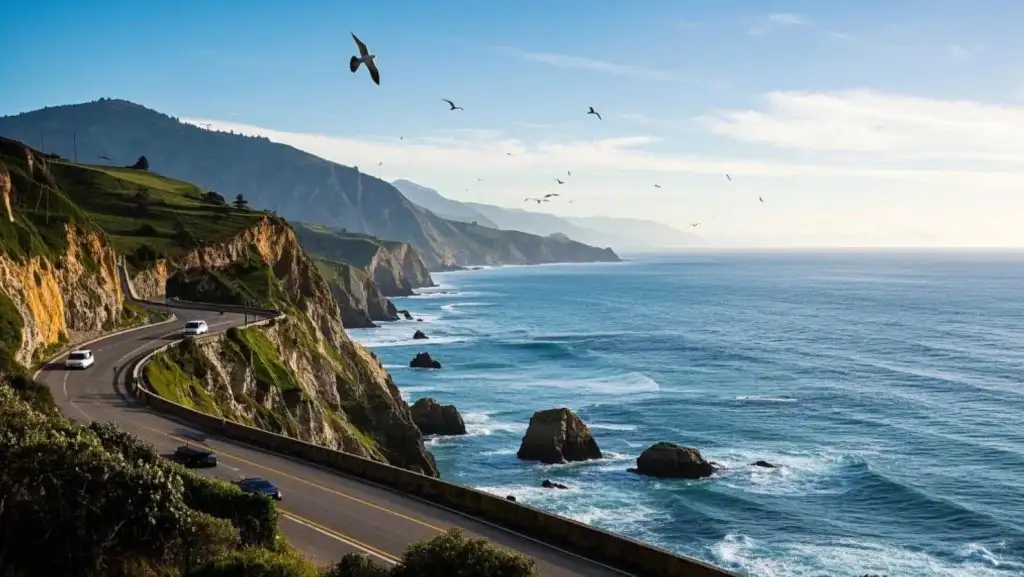
- Scenic vs. Direct Routes: Opt for highways to save time or backroads for views (e.g., Pacific Coast Highway vs. I-5).
- Seasonal Factors: Avoid mountain passes in winter unless equipped for snow.
Pro Tip: Use the “Avoid Highways” feature on Google Maps to discover charming small towns.
2. Set a Realistic Budget
Road trips can be budget-friendly, but costs add up quickly. Break down expenses into categories:
| Category | Cost-Saving Tips |
| Fuel | Use GasBuddy to find the cheapest gas; drive at steady speeds to improve mileage. |
| Accommodation | Mix camping (10–30/night) with budget motels or use HotelTonight for last-minute deals. |
| Food | Pack a cooler with snacks/meals; cook at campsites; limit restaurant meals. |
| Activities | Prioritize free hikes, beaches, and national parks (buy an annual pass for $80). |
| Vehicle Costs | Check tires and oil pre-trip to avoid repairs; include a buffer for emergencies. |
Sample Budget for a 7-Day Trip (2 People):
- Fuel: $300
- Accommodation: $500 (mix of camping and motels)
- Food: $250
- Activities: $150
- Total: ~$1,200
3. Prepare Your Vehicle
A breakdown in the middle of nowhere can derail your trip. Conduct these checks at least a week before departure:
Essential Maintenance:
- Tires: Check pressure (including spare) and tread depth.
- Oil & Fluids: Top off engine oil, coolant, brake fluid, and windshield washer fluid.
- Battery: Test charge and clean corrosion from terminals.
- Lights: Ensure headlights, brake lights, and turn signals work.
Emergency Kit Checklist:
- Jumper cables
- Tire repair kit and portable air compressor
- First-aid supplies
- Flashlight and extra batteries
- Blanket, water, and non-perishable snacks
- Basic tools (wrench, screwdriver, duct tape)
Pro Tip: Join AAA or a similar roadside assistance program for peace of mind.
4. Plan Overnight Stops
Booking accommodations in advance ensures you’re not scrambling for a place to sleep after a long drive.
Accommodation Options:
- Camping: Use apps like Hipcamp or The Dyrt to find RV parks, cabins, or tent sites.
- Motels/Hotels: Chains like Motel 6 or Best Western offer reliability; check reviews for cleanliness.
- Alternative Stays: Try Harvest Hosts ($99/year) for overnight stays at wineries, farms, or breweries.
Last-Minute Options:
- Rest Stops: Legal for short naps in many states (check local laws).
- Apps: HotelTonight or Booking.com for discounted same-day bookings.
Pro Tip: For spontaneous trips, identify 2–3 potential stopping points each day.
5. Pack Smart: The Ultimate Road Trip Checklist
Overpacking crowds your vehicle, but forgetting essentials can spell disaster.
Must-Pack Items:
- Navigation: Physical maps, car charger, and phone mount.
- Comfort: Neck pillow, eye mask, and reusable water bottle.
- Entertainment: Playlists, podcasts, audiobooks, and car games (license plate bingo, anyone?).
- Organization: Trunk organizers, Ziploc bags, and a trash bin.
- Weather Prep: Raincoat, sunscreen, and layers for temperature swings.
Food & Snacks:
- Cooler Staples: Sandwiches, fruit, hummus, and baby carrots.
- Non-Perishables: Trail mix, jerky, granola bars, and crackers.
- Caffeine: Instant coffee or energy bars for the driver.
Pro Tip: Freeze water bottles to use as ice packs; they’ll thaw into drinking water.
6. Stay Safe on the Road
Safety is non-negotiable. Follow these guidelines to protect yourself and others:
Driver Tips:
- Avoid Fatigue: Switch drivers every 2–3 hours; take 15-minute breaks every 2 hours.
- Night Driving: Limit after-dark driving in unfamiliar or wildlife-heavy areas.
- Weather Adjustments: Slow down in rain, fog, or ice; pull over if visibility drops.
Security Tips:
- Park Smart: Choose well-lit areas; never leave valuables visible in the car.
- Share Your Itinerary: Give a trusted contact your route and check in daily.
Wildlife Alert: In regions like Yellowstone or the Rockies, watch for deer, elk, or bison crossing roads.
7. Embrace Flexibility
Even the best-laid plans can go awry. Build flexibility into your itinerary to accommodate:
- Unexpected Detours: A closed road might lead to a hidden waterfall.
- Weather Delays: Spend an extra day exploring a small town if storms hit.
- Spontaneous Stops: See a "World’s Largest Ball of Twine" sign? Go for it!
Pro Tip: Allocate 1–2 "free days" in longer trips for unplanned adventures.
8. Capture the Memories
Document your journey without living behind a screen:
- Journaling: Note funny moments, license plates, or local slang.
- Photo Challenges: Take a photo at every state line or with a quirky roadside attraction.
- Souvenirs: Collect postcards, patches, or pressed pennies from each stop.
Pro Tip: Create a shared Google Photos album for travel companions to upload pics.

9. Eco-Friendly Road Tripping
Reduce your environmental impact with these practices:
- Reduce Waste: Pack reusable utensils, straws, and containers.
- Stay on Trails: Protect fragile ecosystems by avoiding off-road driving.
- Offset Carbon: Use apps like TerraPass to calculate and offset your trip’s emissions.
10. Post-Trip Checklist
Wrap up your adventure smoothly:
- Vehicle Care: Wash your car, check for damage, and schedule an oil change if needed.
- Budget Review: Compare actual spending to your plan for future trips.
- Share Feedback: Leave reviews for campsites, guides, or apps that helped.
Sample 10-Day Western USA Road Trip Itinerary
Day 1–2: Los Angeles → Joshua Tree National Park (stargazing, hiking).
Day 3–4: Phoenix → Sedona (Red Rock State Park, vortex sites).
Day 5–6: Grand Canyon → Monument Valley (sunrise at Horseshoe Bend).
Day 7–8: Moab (Arches National Park, off-roading).
Day 9–10: Salt Lake City → Yellowstone (wildlife spotting, geysers).
Final Thoughts
A successful road trip blends preparation with spontaneity. By mapping your route, budgeting wisely, and packing essentials, you’ll minimize stress and maximize adventure. Remember, the journey itself is the destination—so roll down the windows, crank up the music, and let the road surprise you. As the saying goes, “The best things happen between the plans.”


