Indigenous tourism is more than a trend—it’s a bridge to understanding humanity’s oldest surviving cultures. From the Māori of New Zealand to the Navajo Nation in the United States, Indigenous communities worldwide are inviting travelers to experience their traditions, stories, and connection to the land. This form of travel isn’t just about sightseeing; it’s about fostering respect, preserving heritage, and supporting Indigenous self-determination. Whether you’re drawn to ancient rituals, artisan crafts, or eco-conscious adventures, this guide explores how to engage with Indigenous cultures ethically and authentically.
Why Indigenous Tourism Matters
Indigenous peoples steward 80% of the planet’s biodiversity, yet their cultures and rights are often marginalized. Responsible Indigenous tourism offers a solution:
- Preservation: Tourism revenue funds language revitalization, land conservation, and cultural education.
- Empowerment: Communities reclaim narratives and share their history on their terms.
- Education: Travelers gain insights into sustainable living and resilience.
But proceed with care: Colonialism and exploitation have left deep scars. Prioritize Indigenous-owned businesses and follow cultural protocols to avoid perpetuating harm.
Top Indigenous Tourism Experiences Worldwide
1. North America
a. Navajo Nation, USA
- Experience: Stay in a traditional hogan (eight-sided dwelling), hike Monument Valley’s sacred red rocks, and learn about Navajo weaving and silversmithing.
- Tour: Discover Navajo offers guided tours led by Navajo guides.
- Cultural Tip: Ask permission before photographing people or sacred sites.
b. Haida Gwaii, Canada
- Experience: Explore the Haida Heritage Centre, where totem poles and canoe carvings tell stories of the Haida people. Join a seafood feast featuring kelp and venison.
- Tour: Haida House offers cultural packages with storytelling and kayaking.
- Eco Focus: Support the Haida Gwaii Watchmen, who protect ancestral villages like SGang Gwaay (UNESCO site).
2. Oceania
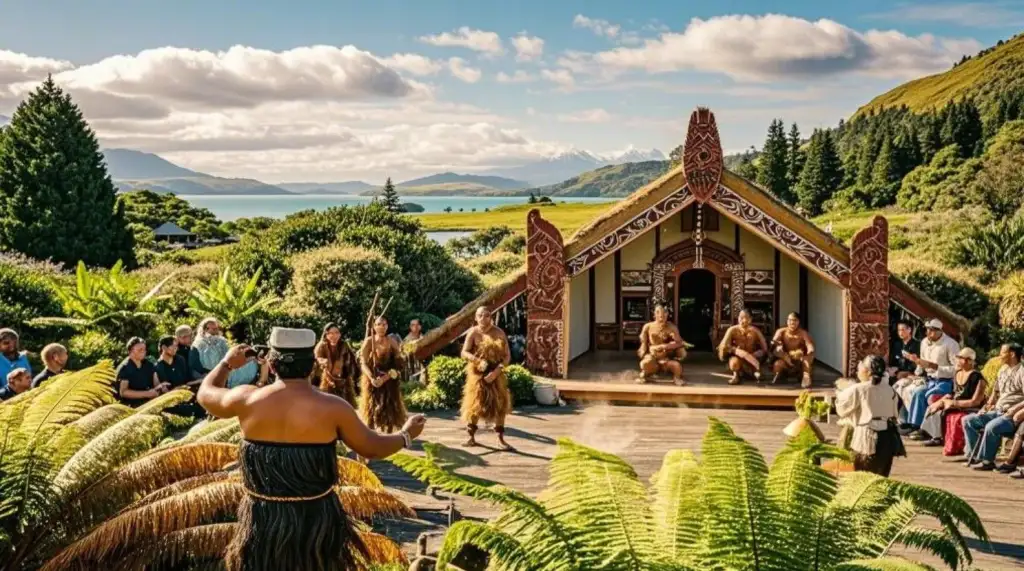
a. Māori Culture, New Zealand
- Experience: Attend a hangi feast (food cooked in earth ovens), watch a haka performance, and visit the Te Papa Tongarewa Museum in Wellington.
- Tour: Whakarewarewa Living Village in Rotorua, where Māori guides explain geothermal traditions.
- Language Tip: Kia ora means “hello”; use it to show respect.
b. Aboriginal Australia
- Experience: Walk the Larapinta Trail with Aboriginal guides in the Northern Territory, learn dot painting in Uluru, or dive into Dreamtime stories in the Daintree Rainforest.
- Tour: Voyages Indigenous Tourism Australia runs Uluru’s Wintjiri Wiru light-and-sound show, blending ancient stories with drone technology.
- Ethical Note: Avoid climbing Uluru—it’s sacred to the Anangu people.
3. Latin America
a. Amazonian Tribes, Ecuador
- Experience: Stay with the Kichwa in the Ecuadorian Amazon, learn medicinal plant uses, and join nighttime canoe safaris to spot caimans.
- Tour: Sani Lodge, community-owned and operated, offers immersive rainforest experiences.
- Sustainability: Profits fund education and anti-deforestation efforts.
b. Maya Communities, Guatemala
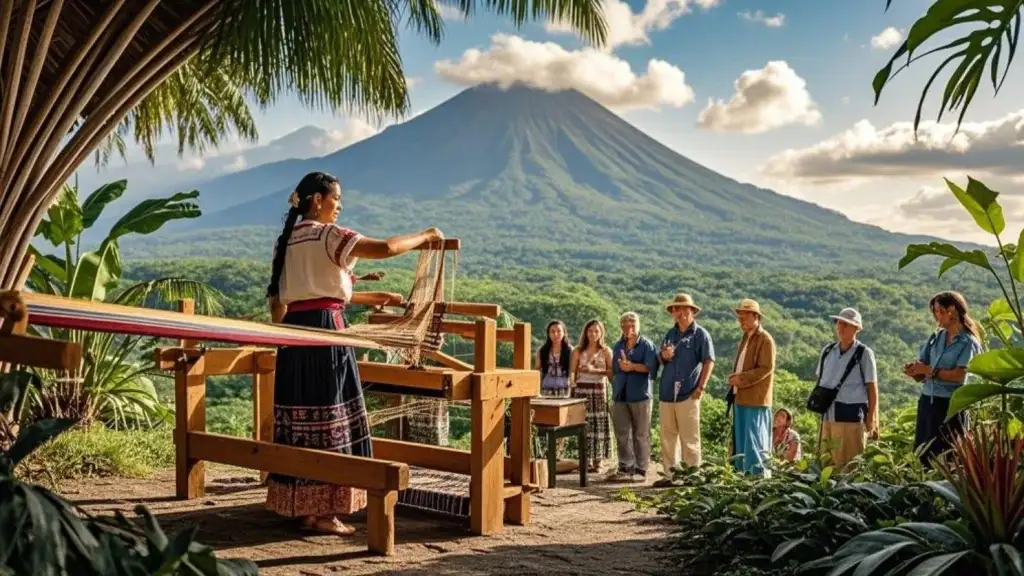
- Experience: Weave textiles with Mayan women in Lake Atitlán villages, participate in a fire ceremony, and explore Tikal’s ruins with a Mayan archaeologist.
- Tour: Casa Flor Ixcaco in San Juan La Laguna offers weaving workshops that fund women’s cooperatives.
4. Africa
a. San People, Botswana
- Experience: Track wildlife with the San, the continent’s oldest inhabitants, using ancient bush skills. Learn about their click-language and healing plants.
- Tour: **!Xaus Lodge** in the Kalahari, co-owned by San communities, offers cultural walks and stargazing.
- Ethical Note: Avoid tours that treat the San as “living museums”; choose those compensating them fairly.
b. Maasai Mara, Kenya
- Experience: Stay in a Maasai-run eco-camp, join warrior-led safaris, and learn beadwork symbolizing cultural identity.
- Tour: Basecamp Explorer partners with Maasai landowners to fund schools and conservancies.
5. Scandinavia
a. Sámi Culture, Norway/Sweden/Finland
- Experience: Feed reindeer, listen to joik (traditional songs), and stay in a lavvu (Sámi tent) under the Northern Lights.
- Tour: Visit Sápmi offers dog-sledding and cultural tours led by Sámi guides.
- Activism: Support Sámi-led protests against mining on ancestral lands.
How to Engage Respectfully with Indigenous Cultures
Respect is non-negotiable. Follow these guidelines to ensure your visit benefits communities:
1. Prioritize Indigenous-Owned Businesses
- Why: Revenue should flow directly to communities. Platforms like Indigenous Tourism Association of Canada (ITAC) or Welcome to Country (Australia) vet ethical operators.
- Red Flags: Avoid generic “Native-themed” tours not led by Indigenous guides.
2. Learn Cultural Protocols
- Dress Modestly: Cover shoulders and knees in sacred spaces.
- Gift-Giving: Offer tobacco (in North America), food, or school supplies—ask guides what’s appropriate.
- Sacred Sites: Never remove rocks, plants, or artifacts.
3. Listen More, Ask Thoughtfully
- Do: Ask, “What’s important for visitors to know about your culture?”
- Don’t: Treat elders as Google; avoid invasive questions about ceremonies or trauma.
4. Support Artisans Authentically
- Buy Direct: Purchase beadwork, carvings, or textiles from cooperatives, not mass-market shops.
- Fair Prices: Hagging disrespects labor; pay what’s asked.
5. Advocate Beyond Tourism
- Educate Yourself: Read Indigenous authors (e.g., Robin Wall Kimmerer, Tommy Orange).
- Amplify Voices: Follow Indigenous activists on social media.
- Donate: Groups like Cultural Survival or Seventh Generation Fund protect rights globally.
Indigenous Festivals to Plan Your Trip Around
Celebrate traditions at these vibrant events:
- Gathering of Nations (USA): The largest Pow Wow in North America, featuring dance competitions in Albuquerque.
- Pasifika Festival (New Zealand): A Māori and Pacific Islander celebration in Auckland with dance, food, and tattooing.
- Inti Raymi (Peru): The Inca Festival of the Sun in Cusco, reenacted every June.
- Naadam Festival (Mongolia): Watch nomadic wrestling, horse racing, and archery.
Challenges in Indigenous Tourism
While transformative, Indigenous tourism faces hurdles:
- Greenwashing: Companies exploit Indigenous imagery without sharing profits.
- Overtourism: Sacred sites like Machu Picchu face degradation.
- Cultural Appropriation: Festivals and costumes often misuse sacred symbols.
What you can do: Research operators thoroughly, visit lesser-known communities, and travel during off-peak seasons.
The Future of Indigenous Tourism
Innovations are reshaping the sector:
- Virtual Reality: The Aboriginal Heritage Project in Australia shares Dreamtime stories via VR.
- Land Acknowledgments: Hotels and tours now state which Indigenous lands they occupy.
- Youth-Led Tours: Next-gen guides blend tradition with TikTok, like Māori teens offering virtual haka lessons.
Conclusion: Travel as a Force for Reconciliation
Indigenous tourism isn’t just about learning—it’s about unlearning stereotypes and honoring resilience. By choosing ethical experiences, you help heal historical wounds and ensure Indigenous cultures thrive for generations. Whether you’re sharing a meal in a Navajo hogan, weaving with Mayan artisans, or listening to Sámi joiks under the Arctic sky, remember: You’re not just a visitor. You’re a witness to living history and a partner in its survival.


