Religious pilgrimages have shaped human history for millennia, offering seekers a path to transcendence, healing, and connection with the divine. From the sacred rivers of India to the desert trails of Saudi Arabia, these journeys test faith, endurance, and humility while uniting people across cultures. Whether you’re devoutly religious, spiritually curious, or a lover of history and architecture, this guide explores 15+ iconic pilgrimage sites and practical tips to embark on your own transformative journey.
1. Christianity: Following the Footsteps of Christ
a. The Camino de Santiago (Way of St. James), Spain
- Significance: A network of medieval routes leading to Santiago de Compostela, where St. James’s remains are believed to rest.
- Highlights:The French Way (780 km from St-Jean-Pied-de-Port) offers camaraderie and rustic villages.The Coastal Portuguese Way blends ocean views with historic chapels.
- Pilgrim Tip: Earn the Compostela certificate by walking at least 100 km (bike 200 km). Stay in albergues (pilgrim hostels) for €5–15/night.
b. Vatican City, Rome
- Significance: The heart of Catholicism, home to St. Peter’s Basilica and the Sistine Chapel.
- Highlights:Attend the Pope’s weekly Wednesday Audience or Easter Mass.Descend into the Vatican Necropolis to see St. Peter’s tomb.
- Travel Tip: Book tickets months ahead for the Scavi Tour (necropolis access). Dress modestly—cover shoulders and knees.
c. Jerusalem, Israel/Palestine
- Significance: Sacred to Christians, Jews, and Muslims, Jerusalem’s Old City holds sites like the Church of the Holy Sepulchre (Christ’s crucifixion site) and the Western Wall (Judaism’s holiest prayer site).
- Pilgrim Experience: Walk the Via Dolorosa, retracing Jesus’s steps to Calvary.
- Safety Note: Check travel advisories; tensions can flare in the Old City.
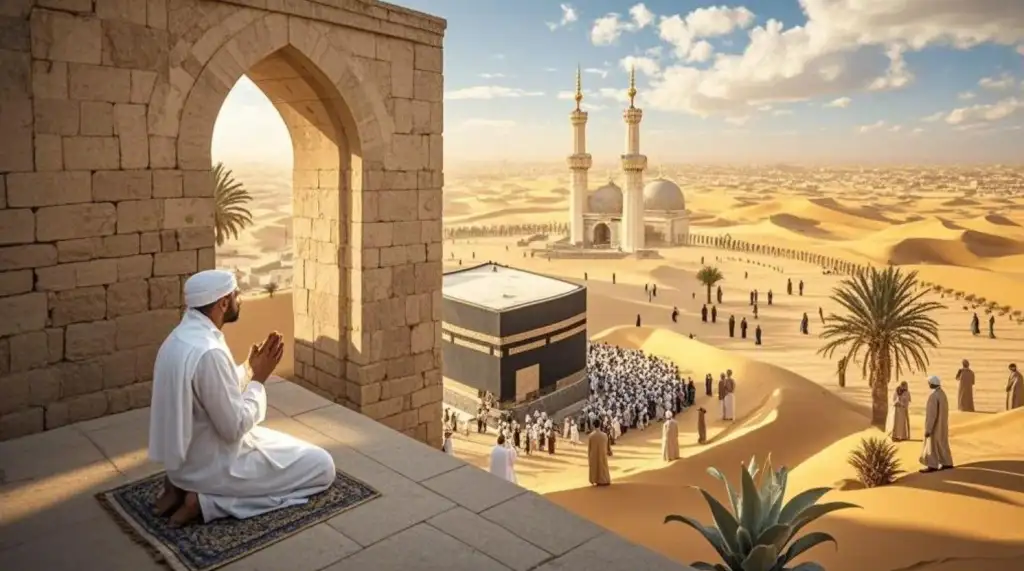
2. Islam: Journeys of Faith and Unity
a. Hajj to Mecca, Saudi Arabia
- Significance: One of the Five Pillars of Islam, mandatory for able-bodied Muslims to perform once in their lifetime.
- Rituals:Tawaf: Circling the Kaaba seven times.Stoning of the Devil: Symbolic rejection of evil in Mina.
- Travel Tip: Book through a certified Hajj operator. Prepare for intense heat and crowds of 2+ million.
b. Karbala and Najaf, Iraq
- Significance: For Shia Muslims, Karbala is the site of Imam Hussein’s martyrdom (680 AD), marked during Arba’een, the world’s largest annual pilgrimage (20+ million attendees).
- Experience: Join the 80-km walk from Najaf to Karbala, where volunteers offer free food and foot massages.
- Safety Note: Travel with a guide due to regional instability.
c. Al-Aqsa Mosque, Jerusalem
- Significance: Islam’s third holiest site, where Prophet Muhammad ascended to heaven (Mirāj).
- Visitor Tip: Non-Muslims cannot enter the Dome of the Rock or Al-Aqsa but can tour the Temple Mount complex with a guided group.
3. Hinduism: Pursuing Moksha Through Sacred Rivers
a. Varanasi, India
- Significance: The “City of Light” on the Ganges River, where Hindus cremate loved ones to break the cycle of rebirth.
- Rituals:Attend the Ganga Aarti ceremony at Dashashwamedh Ghat at sunset.Take a dawn boat ride to witness pilgrims bathing and chanting.
- Travel Tip: Stay in a riverside guesthouse for immersive views. Avoid photography of cremations.
b. Char Dham Yatra, India
- Significance: A pilgrimage to four Himalayan shrines—Yamunotri, Gangotri, Kedarnath, and Badrinath—to cleanse sins.
- Challenge: The trek to Kedarnath (3,583 m) tests endurance; hire a pony or helicopter if needed.
- Best Time: May–October (shrines close in winter).
c. Kumbh Mela, India
- Significance: The world’s largest religious gathering, held every 12 years (next in 2025). Millions bathe in the Ganges to purify their souls.
- Experience: Witness naga sadhus (ascetics) meditating, chanting, and performing feats of devotion.
- Survival Tip: Book campsites early and expect minimal amenities.
4. Buddhism: Paths to Enlightenment
a. Bodh Gaya, India
- Significance: Where Siddhartha Gautama attained enlightenment under the Bodhi Tree.
- Highlights:Meditate at the Mahabodhi Temple (UNESCO site).Join monks in chanting at dawn.
- Travel Tip: Visit during Buddha Purnima (April/May) for lantern festivals.
b. Lumbini, Nepal
- Significance: Buddha’s birthplace, marked by the Sacred Garden and Maya Devi Temple.
- Experience: Tour international monasteries (Thai, Korean, German) showcasing Buddhist architecture.
- Pilgrim Stay: Sleep in a monastery guesthouse for under $20/night.
c. Shikoku Pilgrimage, Japan
- Significance: A 1,200-km loop linking 88 temples, walked by Buddhists to honor monk Kūkai.
- Challenge: Completing the trek takes 30–60 days. Shorten it by bus or focus on temples 1–23 (Tokushima Prefecture).
- Cultural Tip: Receive temple stamps (nōkyōchō) in a pilgrimage book.
5. Judaism: Journeys of Remembrance and Renewal
a. Western Wall, Jerusalem
- Significance: The last remnant of the Second Temple, Judaism’s holiest prayer site.
- Ritual: Write a prayer on paper and tuck it into the wall’s cracks.
- Visitor Note: Separate prayer areas for men and women; cover your head (kippot provided).
b. Safed (Tzfat), Israel
- Significance: A center of Jewish mysticism (Kabbalah) since the 16th century.
- Experience: Join a Shabbat dinner with Kabbalistic teachings or tour ancient synagogues.
- Art Lovers: Explore the Artist Quarter’s galleries inspired by spiritual themes.
c. Uman, Ukraine
- Significance: Hasidic Jews pilgrimage here for Rosh Hashanah to pray at Rabbi Nachman’s grave.
- Challenges: Over 30,000 visitors strain infrastructure; book lodging a year in advance.
- Safety Note: Reconsider travel during the ongoing Ukraine conflict.
6. Sikhism: Walking the Path of Service
a. Golden Temple, Amritsar, India
- Significance: Sikhism’s holiest shrine, where the Guru Granth Sahib (holy scripture) is housed.
- Experience: Volunteer in the community kitchen (langar) serving 100,000+ free meals daily.
- Etiquette: Cover your head, remove shoes, and wash feet before entering.
b. Nankana Sahib, Pakistan
- Significance: Birthplace of Guru Nanak, Sikhism’s founder.
- Pilgrimage: Sikhs from India visit during Guru Nanak’s birthday (November).
- Travel Tip: Apply for a visa through the Pakistan Sikh Gurdwara Committee.

7. Indigenous and Nature-Based Spiritual Journeys
a. Uluru (Ayers Rock), Australia
- Significance: Sacred to the Anangu people, who believe ancestral beings formed the rock.
- Experience: Join an Aboriginal-led Tali Wiru sunset dinner with Dreamtime stories.
- Respect: Do not climb Uluru; it’s culturally prohibited.
b. Sedona, USA
- Significance: A New Age spiritual hub with “vortex sites” believed to emit healing energy.
- Activities: Meditate at Cathedral Rock, book a shamanic healing session, or stargaze.
- Tourist Trap Alert: Research vortex guides to avoid gimmicks.
c. Kumano Kodo, Japan
- Significance: A UNESCO-listed Shinto pilgrimage through cedar forests to the Kumano Sanzan shrines.
- Trails: The Nakahechi Route (30 km) is popular with trekkers; stay in minshuku guesthouses.
Tips for Pilgrims and Spiritual Travelers
- Prepare Physically and Mentally: Train for long walks; research rituals to avoid cultural missteps.
- Pack Light but Thoughtfully: Bring modest clothing, a reusable water bottle, and first-aid supplies.
- Respect Local Customs: Ask before photographing rituals; follow dress codes and etiquette.
- Stay Safe: Use anti-theft gear in crowds; check travel advisories for conflict zones.
- Give Back: Volunteer, donate to local shrines, or support ethical tour operators.
Modern Pilgrimages: Blending Tradition and Innovation
- Virtual Pilgrimages: Apps like Click allow Muslims to “visit” Mecca via VR.
- Secular Pilgrimages: Fans of literature hike to James Joyce’s Dublin or Shakespeare’s Stratford-upon-Avon.
- Wellness Retreats: Yoga ashrams (e.g., Rishikesh, India) attract spiritual seekers.
Conclusion: The Universal Quest for Meaning
Pilgrimages remind us that the journey itself is the destination. Whether you’re circling the Kaaba, meditating under the Bodhi Tree, or hiking Japan’s Kumano Kodo, these paths offer more than solace—they connect us to humanity’s shared longing for purpose. As you plan your pilgrimage, remember: It’s not about checking off a holy site but opening your heart to transformation.


