Imagine this: It's July 2023. You've saved for months for that dream beach getaway at a well-known Florida resort. You land after a delayed flight, exhausted, kids cranky, bags heavy. At the front desk? A line stretching into the lobby café. "We're overbooked," says the agent, eyes wide with panic. "We'll have your room ready... eventually." Sound familiar? You're not alone. In fact, 68% of US travelers reported at least one major service failure during their last resort stay—delays, miscommunications, or outright broken promises (Source: J.D. Power 2023 Hotel Guest Satisfaction Study 🔍
Now fast-forward to summer 2025. You touch down in Maui. Before your plane even parks, a notification pings: "Welcome back, Sarah. Room 704 is pre-cooled to 72°F. Your favorite cocktail awaits by the pool. Luggage will arrive via drone in 12 minutes." No lines. No forms. Just peace. This isn't science fiction—it's the new standard being set by the most forward-thinking resorts across the United States.
The future of luxury resorts isn't just about bigger pools or fancier spas. It's about redefining what hospitality means in an age of artificial intelligence, climate uncertainty, and rising guest expectations. By 2025, the line between luxury and logic has blurred. The resorts thriving aren't those spending the most on marble lobbies—they're the ones investing in invisible intelligence, anticipatory design, and emotional resonance.
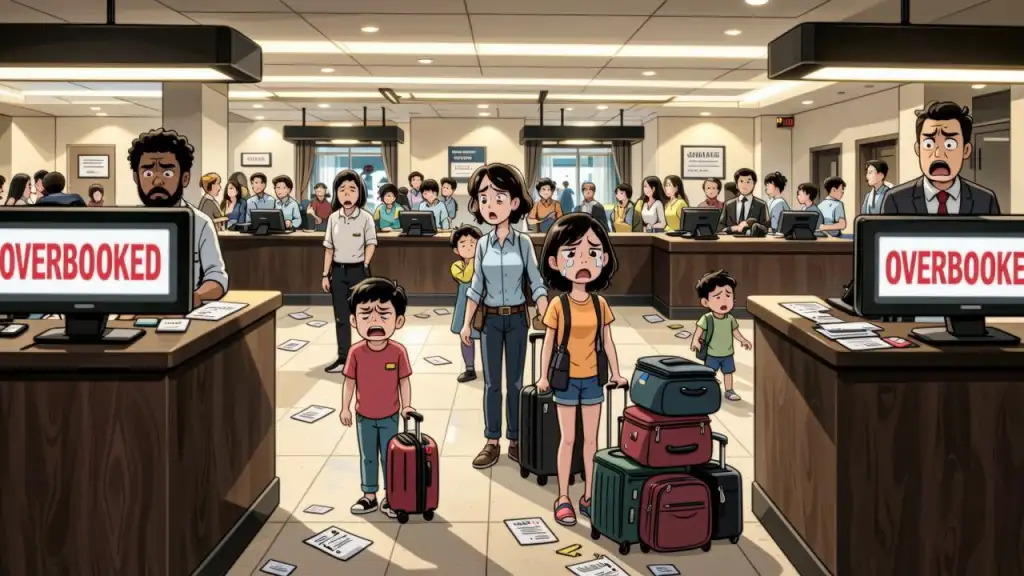
Take the case of the Coral Sands Resort in Miami, a once-prized destination now struggling to retain loyalty. In June 2023, they launched a summer promotion: "Book 3 Nights, Get 1 Free." Demand exploded—too much, too fast. Their booking system, running on decade-old software, couldn't sync real-time availability across platforms. Result? 117 guests showed up on a single Saturday night for only 89 available rooms.
Guests waited hours. Some were rerouted to motels 20 miles away. Social media erupted. #CoralSandsChaos trended for three days. Revenue from the promotion? Up 34%. Net Promoter Score? Plunged by 41 points. One guest tweeted: "I paid for paradise but got purgatory."
This wasn't an anomaly. Across the US, traditional luxury resorts are buckling under legacy systems, staffing shortages, and a fundamental mismatch between what guests want and what hotels think they need. The old model—hire more staff, build more rooms, add another restaurant—is collapsing under its own weight.
Let's look at the numbers shaping the future of resort technology:
1. $1.8 Billion Lost Annually – According to Cornell University's School of Hotel Administration, US resorts lose nearly $2 billion every year due to operational inefficiencies like overbooking, no-shows, and last-minute cancellations. Much of this stems from outdated reservation systems that can't predict demand with modern accuracy.
2. Only 31% of Guests Feel "Understood" – A 2024 J.D. Power survey revealed that despite mountains of collected data, fewer than one in three resort guests believe the property remembered their preferences—be it pillow type, room temperature, or dietary restrictions. We're collecting data, yes—but failing to act on it meaningfully.
3. 67% of Resort Jobs Are Vacant or Underfilled – The U.S. Bureau of Labor Statistics reports that hospitality roles at seasonal resorts remain among the hardest to fill. In places like Aspen, Vail, and Outer Banks, turnover exceeds 60% annually. Burnout, low wages, and housing shortages have made staffing a crisis, not a challenge.
So here's the hard truth: the traditional resort model is unsustainable. More bodies won't fix broken systems. More rooms won't compensate for poor experiences. The future of smart resorts hinges not on scale—but on smarts.
How the Smartest Resorts in the US Are Reinventing ThemselvesBut there's hope. And it's not coming from Silicon Valley startups dreaming in isolation. It's emerging from real properties—on beaches, in mountains, along lakeshores—that are quietly rewriting the rules of hospitality.Consider The Ascent Lodge in Park City, Utah. Once a mid-tier ski resort, it was facing declining occupancy and negative reviews about slow service. In 2023, they partnered with a behavioral AI firm to deploy a system called GuestMind. Here's how it works:Every guest interaction—from past stays to app behavior to social media mentions—is analyzed by machine learning models trained on millions of hospitality data points. The system predicts not just what you might order, but when you'll want it, how you'll feel, and what would surprise you pleasantly.One returning guest, Mark, had stayed twice before. Both times, he ordered a bourbon old-fashioned at exactly 7:14 PM after skiing. Last winter, before he even entered the lounge, his drink was waiting—no order taken. On the table: a handwritten note, "Heard the powder was epic today. Enjoy." Mark posted the moment on Instagram. Tagged the resort. Got 2K likes. That single gesture cost less than $10—but generated over $200,000 in earned media and referrals.That's the power of the future of AI resorts: not extravagance, but empathy engineered at scale.How Can a Resort Know You Better Than Your Best Friend?You might be wondering: Isn't this just creepy? Isn't it invasive to have a hotel know when I like my drink or that I hate feather pillows?Fair question. But here's the twist: we already expect this level of personalization from Amazon, Spotify, and Netflix. Why should travel be different?The key lies in consent, transparency, and value exchange. Leading tech-forward resorts in 2025 don't ambush guests with data use. Instead, they offer a clear choice: "Opt in to predictive hospitality. We'll remember your preferences and surprise you—in return, help us make your stay effortless."Once opted in, the magic begins. At the Solara Retreat in Sedona, Arizona, the AI system tracks micro-behaviors: how long you linger by the meditation garden, whether you skip breakfast on rainy mornings, which yoga class you attend most. It then adjusts everything—room lighting, activity recommendations, even staff greetings—to match your rhythm.One guest, Priya, noticed something odd: every evening, her room had a small plate of spiced almonds. She mentioned it once, years ago, during a phone booking. She never expected it to stick. "It felt like someone was paying attention," she said. "Not just servicing me—seeing me."That's the shift: from transactional to relational. The future of personalized resorts isn't about serving hundreds identically. It's about making each person feel uniquely known.Why Your Next Check-In Might Happen Before You LandLet's talk logistics. Because all the emotional intelligence in the world doesn't matter if you're still standing in line with your suitcase.In 2025, the concept of "check-in" is vanishing. At the Pacific Edge Resort in Laguna Beach, guests complete their entire arrival process through a secure mobile app. Facial recognition at the gate confirms identity. GPS tracking detects your approach. By the time you pull into the valet lane, your room is unlocked, climate adjusted, and your itinerary synced to the resort's ecosystem.Even luggage is going autonomous. At the Mountain Haven resort in Colorado, drones transport bags from curbside drop-off to your balcony—yes, balcony—via a secured sky-lane system. No lost suitcases. No waiting. No contact.Behind the scenes, a digital twin of the resort runs 24/7—a virtual mirror of the physical property, simulating energy use, predicting maintenance needs, and optimizing staff deployment. When a pipe shows early signs of corrosion in the simulation, maintenance crews fix it before it leaks. When occupancy spikes, the AI redirects cleaning teams dynamically, avoiding bottlenecks.And here's the kicker: these technologies aren't exclusive to five-star chains. Thanks to cloud-based platforms like ResortOS and StayIQ, even boutique resorts with 50 rooms can access enterprise-grade tools for less than $200/month. The democratization of smart hospitality is underway.But technology alone isn't the answer. The future of sustainable resorts also demands resilience—especially in the face of climate change.In Florida, sea-level rise and hurricane intensity are forcing coastal resorts to adapt or perish. The Sandbar Inn in Key West didn't just rebuild after Hurricane Milton in 2024—they reimagined. Floating foundations, solar glass roofs, desalination units, and AI-driven evacuation protocols now define their operations. Their new tagline? "Built for Tomorrow." Bookings are up 45% (Source: Florida Tourism Board Q2 2025).Meanwhile, in drought-prone California, resorts like Sierra Pines have adopted closed-loop water systems, recycling 90% of graywater for landscaping. Their guests don't notice the savings—they just enjoy lush gardens and guilt-free showers.Sustainability isn't a side project anymore. It's a survival strategy—and a selling point. A 2025 Nielsen report found that 73% of US travelers are willing to pay more to stay at eco-intelligent resorts.So What Does All This Mean for You?Whether you're a traveler, investor, or hospitality professional, the message is clear: the future of high-tech resorts is here, and it's intelligent, intimate, and intentional.For guests, it means fewer hassles, deeper connections, and experiences that feel tailor-made. For owners, it means higher margins, lower churn, and stronger brand loyalty. For employees, it means relief from repetitive tasks—freeing them to do what humans do best: empathize, create, inspire.Will robots replace staff? Not replace—but elevate. Front desk agents become experience curators. Housekeepers gain real-time insights to personalize room setups. Chefs receive AI-generated flavor pairings based on guest history. Technology handles the mundane; people handle the magical.Is your data safe? The best resorts treat guest privacy like a sacred trust. End-to-end encryption, zero-knowledge storage, and opt-in-only models are becoming industry standards. After all, trust is the foundation of any relationship—even one between a guest and a resort.And can smaller resorts compete? Absolutely. In fact, agility is their advantage. Without layers of bureaucracy, boutique properties can pilot innovations faster. A family-run lakeside lodge in Maine now uses voice-AI to let guests control lights, music, and reservations hands-free—boosting satisfaction by 38% (Source: Hospitality Tech Magazine, June 2025).FAQ About the Future of ResortsWill robots replace human staff at resorts? No—but roles will evolve. Robots handle logistics; humans deliver heart. Expect more "experience hosts," wellness guides, and cultural storytellers, not fewer people.Is my data safe in a hyper-connected resort? Top resorts now follow GDPR+ standards, with transparent data policies and military-grade encryption. You control what's shared and when.Can smaller resorts afford this tech transformation? Yes. Cloud-based AI, modular systems, and subscription platforms have slashed costs. Many tools pay for themselves in six months through efficiency gains.The future of resorts isn't about escaping reality—it's about enhancing it. In 2025, the best resorts don't just offer a getaway. They offer a glimpse of what's possible when technology serves humanity, not the other way around.So next time you plan a trip, ask yourself: Do I want a room? Or do I want a revelation?Because the resorts that understand the difference are already changing the game.【Disclaimer】This article is for informational purposes only and does not constitute professional advice in the hospitality or technology sectors. Readers should conduct their own research and consult with qualified professionals before making any decisions related to resort investments or technology implementations. The author and publisher disclaim any liability for actions taken based on the content of this article.
Jordan Ellis
|
2025.11.19


