
Scuba Diving Hotspots: Best Places to Dive Around the World
Scuba diving is an exhilarating and enchanting activity that offers a window into the mesmerizing underwater world. From vibrant coral reefs and colorful fish to ancient shipwrecks and majestic marine life, the best diving spots around the globe promise an unforgettable adventure beneath the waves. Whether you're a seasoned diver or a beginner, these diving hotspots guarantee an experience that will leave you breathless. Here are some of the top destinations for scuba diving enthusiasts.
1. The Great Barrier Reef, Australia
Stretching over 2,300 kilometers along the Queensland coast, the Great Barrier Reef is the largest coral reef system in the world and a UNESCO World Heritage Site. This natural wonder boasts incredible biodiversity, with over 1,500 species of fish and 600 types of coral. Popular dive sites include the Outer Barrier Reef, where you can encounter giant clams, sea turtles, and even the elusive dugong. The Agincourt Reef offers spectacular wall diving, while the Ribbon Reefs are renowned for their vibrant coral gardens and abundant marine life. For those who prefer a closer encounter, the Cairns Coastal Marine Park provides excellent shore diving opportunities.
2. The Red Sea, Egypt
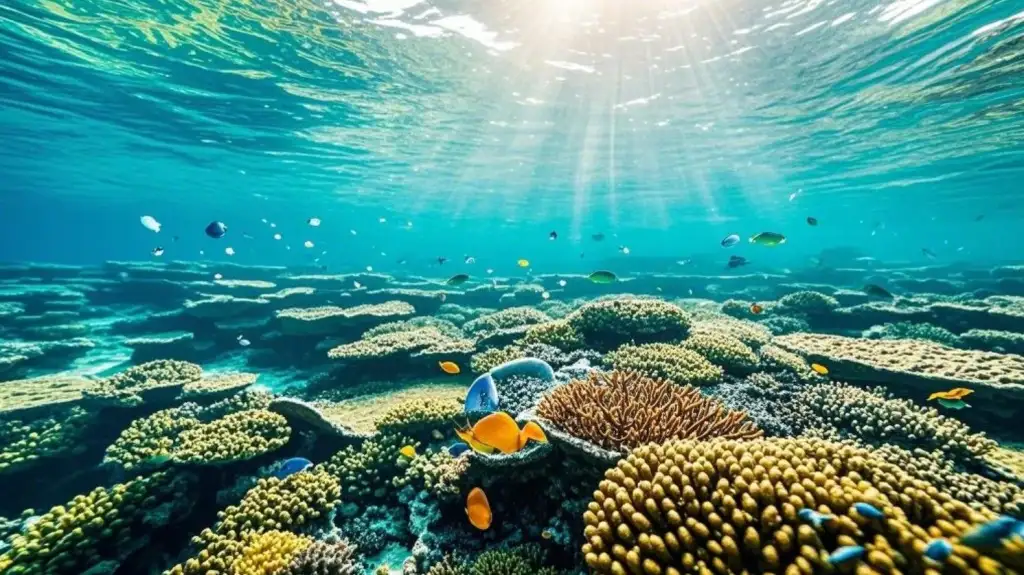
The Red Sea is renowned for its crystal-clear waters and rich marine life. With temperatures ranging between 20°C and 30°C, it's a year-round diving destination. The Brother Islands, located about 100 kilometers south of Hurghada, are famous for their shark encounters, including hammerheads and oceanic whitetips. Ras Mohammed National Park is another top spot, offering stunning coral reefs, underwater caves, and a chance to see sea turtles and moray eels. For those seeking a more serene experience, the Tiran Strait, connecting the Red Sea to the Gulf of Aqaba, boasts beautiful coral gardens and schools of colorful fish.
3. The Galápagos Islands, Ecuador
The Galápagos Islands are a diver's paradise, famous for their unique wildlife and unparalleled biodiversity. Charles Darwin's research here led to the development of his theory of evolution. Wolf Island and Darwin Island are prime spots for encountering hammerhead sharks, while Bartolome Island offers excellent snorkeling and diving opportunities in its shallow, turquoise waters. The underwater volcanic landscape of Isabella Island is a fascinating dive site, featuring lava tubes and underwater cliffs. The Galápagos Marine Reserve, a UNESCO World Heritage Site, ensures the protection of these incredible ecosystems.
4. The Maldives
The Maldives is a chain of 26 atolls and over 1,000 coral islands in the Indian Ocean, renowned for its luxurious resorts and pristine diving. The waters around the Maldives are warm and crystal-clear, with visibility often exceeding 30 meters. The Ari Atoll offers excellent diving, with vibrant coral reefs, schools of fish, and the chance to encounter manta rays and whale sharks. The Baa Atoll is famous for its underwater caves and channels, while the North Male Atoll boasts some of the most popular dive sites, including Rasfari Reef and Banana Reef. The Maldives' remote location and pristine waters make it a perfect escape for divers seeking solitude and adventure.
5. Raja Ampat, Indonesia
Raja Ampat is an archipelago in Indonesia's West Papua province, known for its stunning dive sites and biodiversity. The region is home to the Coral Triangle, the epicenter of marine biodiversity, with over 75% of the world's coral species and more than 1,500 fish species. The Misool Archipelago offers pristine dive sites, including the famous Cenderawasih Bay, where you can encounter manta rays, hammerhead sharks, and schools of barracuda. The Bird's Head Seascape, encompassing Raja Ampat and surrounding areas, is a conservation priority due to its incredible marine life and coral reefs. Divers here will be rewarded with encounters with rare and elusive marine species.
6. The Cocos Islands, Australia
The Cocos (Keeling) Islands, a territory of Australia, are a remote archipelago in the Indian Ocean, offering pristine diving opportunities. The underwater landscape is a mix of coral reefs, seagrass beds, and rocky outcrops, providing habitat for a wide range of marine life. The lagoon at Direction Island is a popular dive site, offering easy access to vibrant coral reefs and schools of fish. Home Reef is renowned for its encounters with sea turtles, while the outer reefs, such as South Pass and Banana Reef, offer deeper dives and the chance to see larger marine species, including sharks and rays. The Cocos Islands' isolation ensures that its underwater world remains relatively undisturbed.
7. The Bahamas
The Bahamas, an archipelago in the Atlantic Ocean, boasts crystal-clear waters, vibrant coral reefs, and a rich marine life. The Andros Barrier Reef, the third-largest coral reef system in the world, stretches over 160 kilometers and offers excellent diving opportunities. The Blue Holes of the Bahamas, natural sinkholes filled with clear, blue water, are iconic dive sites, offering a unique experience as you descend into the abyss. The Exumas and Abacos offer pristine dive sites with abundant marine life, while Nassau and Paradise Island provide more accessible diving options for visitors. The Bahamas' warm waters and year-round diving conditions make it a popular destination for both beginners and experienced divers.
8. The Azores, Portugal
The Azores, an archipelago in the Atlantic Ocean, are known for their volcanic origin and lush landscapes. The underwater world of the Azores is equally fascinating, with rich marine life and vibrant coral reefs. The Fazenda Reef, off the coast of São Miguel Island, is a prime dive site, offering encounters with sea turtles, moray eels, and octopus. The wall diving at Ponta Delgada's underwater canyon is another thrilling experience, with depths exceeding 1,000 meters. The Azores' isolated location ensures that its underwater world remains relatively undisturbed, making it a haven for marine biodiversity.
9. Palau
Palau, an island nation in the western Pacific Ocean, is renowned for its pristine dive sites and conservation efforts. The Rock Islands Southern Lagoon, a UNESCO World Heritage Site, is a network of over 200 limestone islands and coral reefs, providing exceptional diving opportunities. Blue Corner Wall, off the coast of Peleliu Island, is a world-class dive site, known for its encounters with hammerhead sharks. The Jellyfish Lake, a unique freshwater lake on Eil Malk Island, offers a surreal diving experience, with thousands of golden jellyfish floating gracefully in the water. Palau's commitment to conservation ensures that its underwater world remains protected and pristine.
10. Tonga
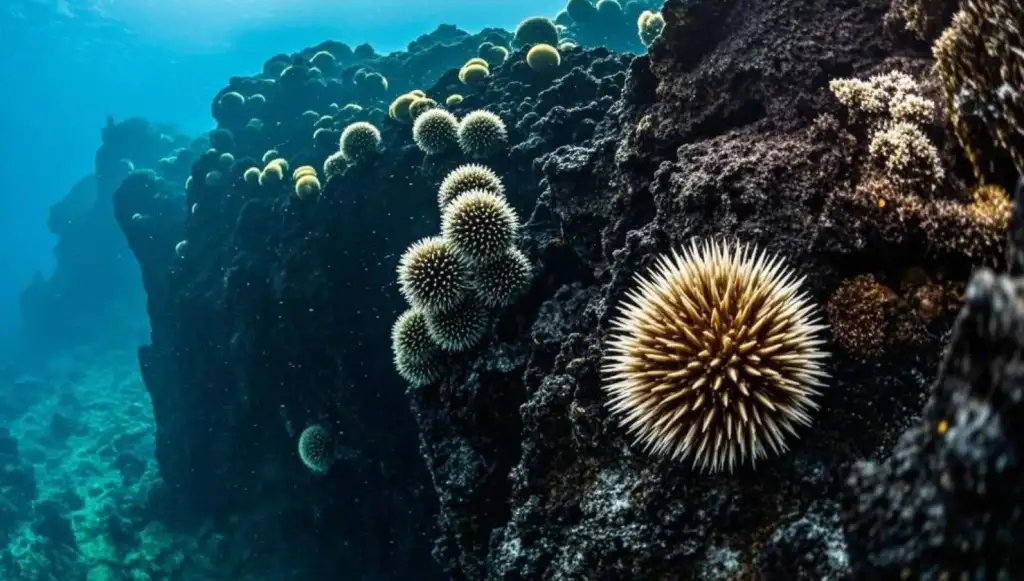
Tonga, a Polynesian kingdom in the Pacific Ocean, offers diverse diving opportunities, from pristine coral reefs to underwater cave systems. The Vava'u Group, a chain of islands in the north, boasts crystal-clear waters and abundant marine life. The Humpback Whale Dive Site, off the coast of Eua Island, offers a rare opportunity to dive with these majestic creatures during their migration season. The Ha'apai Group, in the central region, offers more remote dive sites, with less traffic and excellent visibility. The Kingdom of Tonga's remote location ensures that its underwater world remains relatively untouched, providing a unique diving experience for adventurers.
In conclusion, scuba diving offers a unique and thrilling way to explore the world's underwater wonders. From the Great Barrier Reef's vibrant coral gardens to the isolated dive sites of Tonga, these destinations promise an unforgettable adventure beneath the waves. Whether you're a seasoned diver or a beginner, these diving hotspots guarantee an experience that will leave you in awe of the marine world's beauty and diversity. So, pack your gear, dive into the unknown, and discover the incredible underwater world waiting for you.
Andrew
|
2025.03.19


