South America is a continent brimming with cultural, natural, and historical wonders. From the dense Amazon rainforest to the towering Andes mountains, there is no shortage of awe-inspiring sights and experiences. Whether you're an adventurous traveler, a culture enthusiast, or someone seeking relaxation, South America offers something for everyone. In this article, we will explore some of the must-see attractions across the continent that should be on every traveler’s bucket list.
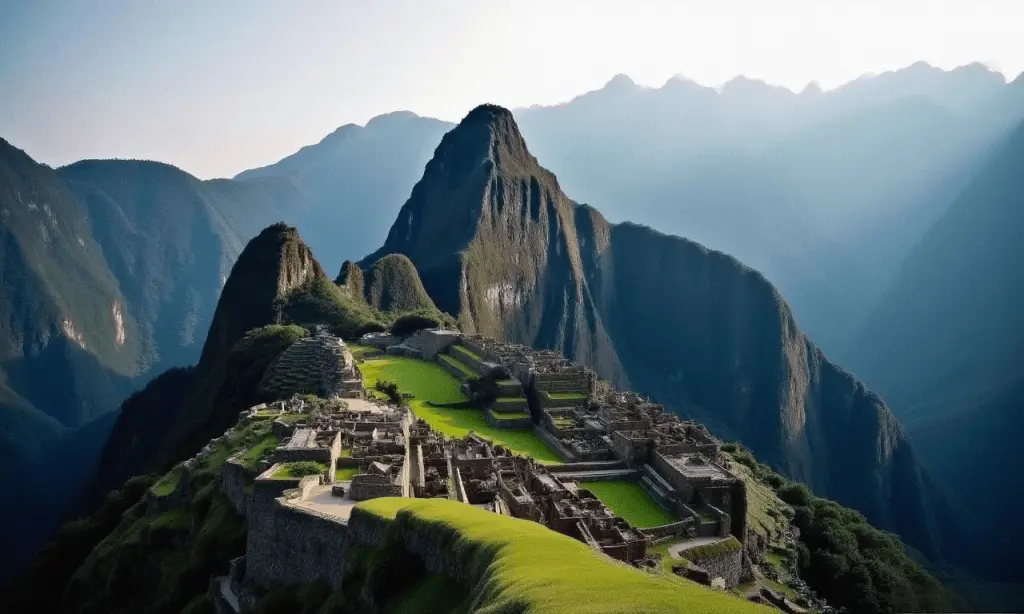
Machu Picchu, one of the New Seven Wonders of the World, is undoubtedly one of South America’s most iconic destinations. This ancient Incan city, located high in the Andes Mountains, was built in the 15th century and abandoned during the 16th-century Spanish Conquest. The breathtaking views and the architectural marvels of Machu Picchu make it a must-see for anyone visiting South America.
Visitors can reach the site by trekking the famous Inca Trail, which offers incredible views of the surrounding mountains and valleys, or by taking a train from the nearby town of Aguas Calientes. Whether you're exploring the archaeological site or simply soaking in the scenery, Machu Picchu’s mystique and historical significance are sure to leave a lasting impression.
Standing tall over the vibrant city of Rio de Janeiro, Christ the Redeemer is an iconic symbol of Brazil. The colossal statue of Jesus Christ, with its arms outstretched over the city, overlooks the beautiful beaches, mountains, and lush green hills below. The statue, which is one of the New Seven Wonders of the World, offers an unparalleled panoramic view of Rio, making it a must-see attraction for visitors.
Christ the Redeemer is located atop Corcovado Mountain in Tijuca National Park, and visitors can reach the summit either by hiking or taking a train. The statue itself is made of soapstone and stands at 98 feet tall, with its arms extending 92 feet across. It's not only a religious symbol but also a stunning example of architectural and artistic achievement.
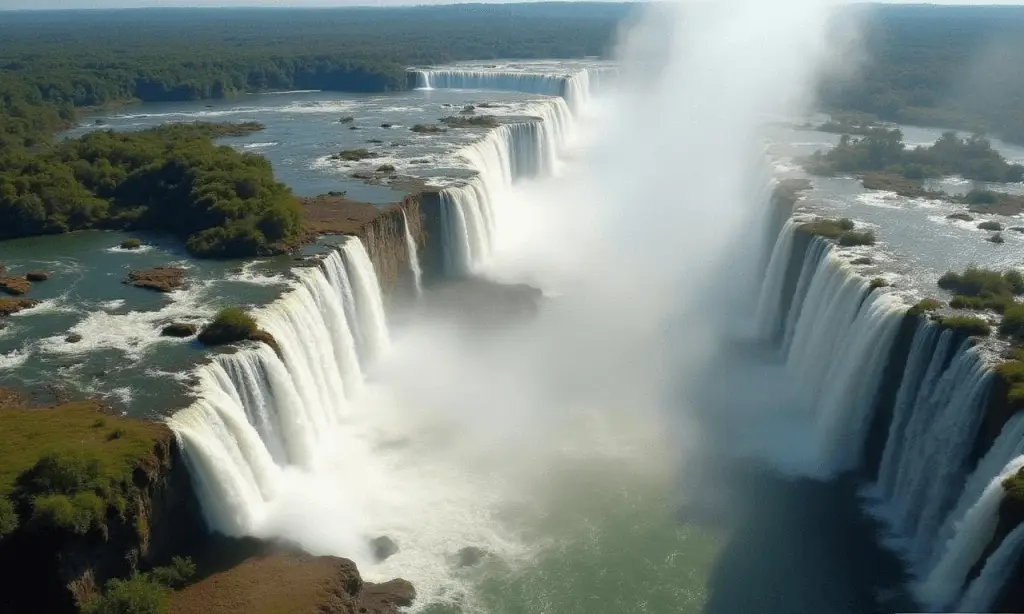
Iguazu Falls, a spectacular network of waterfalls located on the border between Argentina and Brazil, is one of the most powerful and awe-inspiring natural attractions in the world. The falls span nearly two miles in width, with over 270 individual cascades. The force of the water plunging into the river below creates a constant mist and a thunderous roar that can be heard from miles away.
The falls can be visited from both the Argentine and Brazilian sides, each offering unique perspectives of the falls. The Argentine side features walking trails that take visitors right to the edge of the falls, allowing them to experience the power up close. On the Brazilian side, a panoramic view provides an unforgettable bird's-eye view of the entire waterfall system.
The Galápagos Islands, located off the coast of Ecuador, are famous for their unique biodiversity and pristine natural beauty. The archipelago consists of 19 volcanic islands, each home to a diverse range of endemic species, including giant tortoises, marine iguanas, and blue-footed boobies. The islands are best known for their role in inspiring Charles Darwin’s theory of evolution by natural selection.
Visitors to the Galápagos can explore the islands by boat, visiting remote beaches, volcanic craters, and lush highlands. The Galápagos National Park protects the islands, ensuring that their fragile ecosystem remains preserved for future generations. Whether you are hiking, snorkeling, or simply relaxing on one of the islands' pristine beaches, the Galápagos is a once-in-a-lifetime destination.
The Salar de Uyuni, located in southwestern Bolivia, is the world’s largest salt flat, stretching over 10,000 square kilometers. This vast, white expanse of salt is one of South America’s most unique landscapes. During the rainy season, the flats turn into a giant mirror, reflecting the sky and creating a surreal, dream-like effect. In the dry season, the salt flats turn into a cracked, barren desert, with hexagonal patterns across the surface.
The Salar de Uyuni is not just a stunning natural wonder but also a hub for exploration. Visitors can take guided tours of the salt flats, exploring nearby landmarks such as the Train Graveyard and Eduardo Avaroa National Park, home to geysers, hot springs, and flamingo-filled lagoons.
Torres del Paine National Park, located in Chile’s Patagonia region, is a breathtaking natural reserve famous for its dramatic landscapes. The park is known for its striking granite towers, glaciers, turquoise lakes, and diverse wildlife, including guanacos, foxes, and condors. The park’s rugged terrain and awe-inspiring beauty make it a paradise for outdoor enthusiasts.
Hiking is the most popular activity in Torres del Paine, with several trekking routes available, including the renowned W Trek. This multi-day hike takes visitors through the heart of the park, passing by some of its most iconic landmarks, such as the Torres del Paine granite spires, Grey Glacier, and the French Valley.
Easter Island, or Rapa Nui, is one of the most remote and mysterious places on Earth. Known for its iconic moai statues, which are scattered across the island, Easter Island offers a fascinating glimpse into the ancient Polynesian culture that once thrived here. The island’s remote location in the Pacific Ocean adds to its allure, as visitors can explore its archaeological sites, volcanic craters, and pristine beaches.
The moai statues, which were built between the 10th and 16th centuries, are believed to represent the spirits of the island’s ancestors. They are spread across several locations, including Ahu Tongariki, where a row of 15 statues stands in a dramatic formation facing the ocean. Easter Island’s mystique, combined with its natural beauty, makes it a must-see destination for travelers seeking adventure and history.
The Amazon Rainforest, often referred to as the "lungs of the Earth," is one of the world’s most vital ecosystems. Stretching across nine countries, with the majority located in Brazil, the Amazon is home to an incredibly diverse range of wildlife, plants, and indigenous cultures. The rainforest is crucial for regulating the global climate and maintaining biodiversity.
Travelers can explore the Amazon by boat, visiting remote villages and wildlife reserves, or by taking guided treks into the jungle. Activities include birdwatching, wildlife spotting, and learning about the indigenous cultures that have lived in the rainforest for thousands of years. The Amazon offers a unique opportunity to immerse oneself in one of the world’s most vital and unexplored environments.
South America is a continent rich in culture, history, and natural beauty. Whether you are exploring ancient ruins, hiking through rugged mountains, or witnessing some of the world’s most stunning natural landscapes, South America offers a wealth of unforgettable experiences. From the towering peaks of Machu Picchu to the pristine beauty of the Galápagos Islands, the continent is full of must-see attractions that will leave you in awe. These destinations represent just a fraction of what South America has to offer, but they are certainly among the most iconic and memorable.
This article is for informational purposes only. All travel recommendations are based on the current state of attractions and may be subject to change. Always check with local authorities and travel operators for the latest information before planning your visit.
Emily
|
2025.04.07


