South America, a continent of unparalleled natural beauty, rich history, and vibrant cultures, is a dream destination for travelers seeking adventure, relaxation, and cultural immersion. From the ancient ruins of Machu Picchu to the breathtaking landscapes of Patagonia, the continent offers a diverse array of attractions that cater to every type of traveler. In this article, we will explore some of the must-see destinations in South America, highlighting their unique features and why they should be on your travel bucket list.
1. Machu Picchu, Peru: The Lost City of the Incas
No trip to South America is complete without a visit to Machu Picchu, the iconic Incan citadel perched high in the Andes Mountains. This UNESCO World Heritage Site, often referred to as the "Lost City of the Incas," is one of the most famous archaeological sites in the world. Built in the 15th century and later abandoned, Machu Picchu remained hidden from the outside world until its rediscovery in 1911 by American historian Hiram Bingham.
Why Visit Machu Picchu?
- Historical Significance: Machu Picchu offers a glimpse into the sophisticated engineering and architectural skills of the Inca civilization. The site features terraced fields, temples, and residential areas, all constructed with precision-cut stones that fit together without mortar.
- Breathtaking Views: The citadel is surrounded by lush green mountains and offers stunning panoramic views of the Urubamba River Valley. The sight of the sunrise over Machu Picchu is an unforgettable experience.
- Hiking Opportunities: For adventure enthusiasts, the Inca Trail is a popular trek that leads to Machu Picchu. This multi-day hike takes you through diverse landscapes, including cloud forests, alpine tundra, and ancient Incan ruins.
Tips for Visiting Machu Picchu:
- Book in Advance: Due to its popularity, it's essential to book your tickets and accommodations well in advance, especially if you plan to hike the Inca Trail.
- Acclimatize: Machu Picchu is located at an altitude of 2,430 meters (7,970 feet), so it's important to spend a few days in Cusco or the Sacred Valley to acclimatize before visiting.
- Guided Tours: Consider hiring a knowledgeable guide to learn about the history and significance of the site. Guided tours can enhance your experience and provide insights that you might miss on your own.
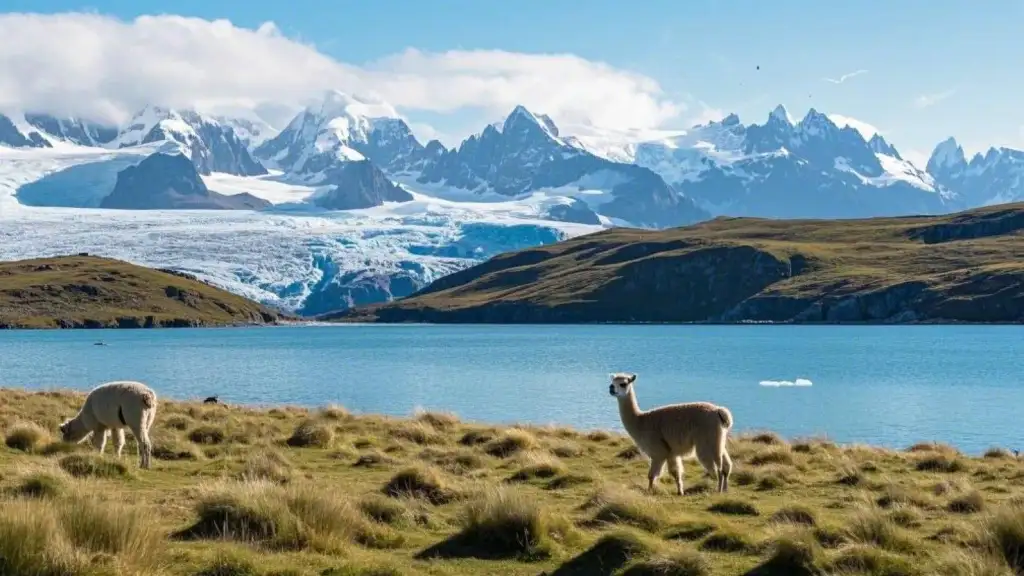
2. Patagonia, Argentina, and Chile: A Wilderness Paradise
Stretching across the southern regions of Argentina and Chile, Patagonia is a vast and remote wilderness that offers some of the most spectacular natural landscapes on the planet. From towering mountains and glaciers to pristine lakes and grasslands, Patagonia is a haven for outdoor enthusiasts and nature lovers.
Why Visit Patagonia?
- Torres del Paine National Park, Chile: This iconic national park is renowned for its dramatic mountain peaks, turquoise lakes, and sprawling glaciers. The park offers a variety of hiking trails, including the famous "W" Trek, which takes you through some of the park's most stunning scenery.
- Perito Moreno Glacier, Argentina: Located in Los Glaciares National Park, the Perito Moreno Glacier is one of the few glaciers in the world that is still advancing. Visitors can witness the awe-inspiring sight of massive chunks of ice calving off the glacier and crashing into the waters below.
- Wildlife Watching: Patagonia is home to a diverse range of wildlife, including guanacos, pumas, Andean condors, and Magellanic penguins. The region's remote and untouched landscapes provide excellent opportunities for wildlife spotting.
Tips for Visiting Patagonia:
- Plan Your Itinerary: Patagonia is vast, and distances between attractions can be significant. Plan your itinerary carefully to make the most of your time in the region.
- Pack for All Weather: Patagonia's weather can be unpredictable, with strong winds and sudden changes in temperature. Be sure to pack layers, waterproof clothing, and sturdy hiking boots.
- Respect Nature: Patagonia's pristine environment is fragile, so it's important to practice responsible tourism. Follow Leave No Trace principles, stay on designated trails, and avoid disturbing wildlife.
3. The Amazon Rainforest, Brazil, Peru, and Beyond: The Lungs of the Earth
The Amazon Rainforest, often referred to as the "Lungs of the Earth," is the largest tropical rainforest in the world, spanning nine countries in South America. This vast and biodiverse ecosystem is home to millions of species of plants, animals, and insects, many of which are found nowhere else on Earth.
Why Visit the Amazon Rainforest?
- Biodiversity: The Amazon is one of the most biodiverse places on the planet, with an incredible array of flora and fauna. Visitors can spot exotic wildlife such as jaguars, sloths, pink river dolphins, and a myriad of bird species.
- Indigenous Cultures: The Amazon is also home to numerous indigenous communities, many of whom have lived in harmony with the rainforest for centuries. Visiting these communities offers a unique opportunity to learn about their traditional ways of life and their deep connection to the natural world.
- Adventure Activities: The Amazon offers a wide range of adventure activities, including jungle treks, canoe trips, and night safaris. Exploring the rainforest by boat or on foot allows you to immerse yourself in its lush and vibrant environment.
Tips for Visiting the Amazon Rainforest:
- Choose a Responsible Tour Operator: When visiting the Amazon, it's important to choose a tour operator that practices sustainable and responsible tourism. Look for operators that support local communities and prioritize conservation efforts.
- Health Precautions: The Amazon is a tropical environment, so it's essential to take health precautions. Make sure you are up-to-date on vaccinations, use insect repellent to protect against mosquito-borne diseases, and drink only bottled or purified water.
- Pack Light and Smart: When packing for the Amazon, bring lightweight, breathable clothing, a good pair of hiking boots, and a waterproof jacket. Don't forget essentials like a hat, sunscreen, and a reusable water bottle.
4. Rio de Janeiro, Brazil: The Marvelous City
Rio de Janeiro, often referred to as the "Marvelous City," is one of South America's most vibrant and iconic destinations. Known for its stunning beaches, lively festivals, and breathtaking landscapes, Rio offers a unique blend of natural beauty and urban excitement.
Why Visit Rio de Janeiro?
- Christ the Redeemer: One of the New Seven Wonders of the World, the Christ the Redeemer statue stands atop Corcovado Mountain, offering panoramic views of the city and its surroundings. The statue is a symbol of Rio and a must-see attraction for any visitor.
- Copacabana and Ipanema Beaches: Rio's famous beaches are the heart of the city's social life. Whether you want to relax on the sand, play beach volleyball, or enjoy a caipirinha at a beachside kiosk, Copacabana and Ipanema are the places to be.
- Carnival: Rio's Carnival is one of the most famous festivals in the world, attracting millions of visitors each year. The festival features vibrant parades, samba music, and elaborate costumes, making it a once-in-a-lifetime experience.
Tips for Visiting Rio de Janeiro:
- Safety First: While Rio is a beautiful city, it's important to be aware of your surroundings and take precautions to ensure your safety. Avoid displaying valuables, stay in well-lit and populated areas, and use reputable transportation services.
- Explore Beyond the Beaches: While Rio's beaches are a major draw, the city has much more to offer. Visit the historic neighborhood of Santa Teresa, explore the lush Tijuca Forest, or take a cable car ride to the top of Sugarloaf Mountain for stunning views.
- Learn Some Portuguese: While many people in Rio speak English, knowing a few basic phrases in Portuguese can go a long way in enhancing your experience and interacting with locals.
5. Salar de Uyuni, Bolivia: The World's Largest Salt Flat
Located in southwest Bolivia, the Salar de Uyuni is the world's largest salt flat, covering an area of over 10,000 square kilometers (3,900 square miles). This otherworldly landscape, formed by the evaporation of prehistoric lakes, is one of the most unique and surreal destinations in South America.
Why Visit Salar de Uyuni?
- Stunning Landscapes: The salt flat's vast, white expanse creates a surreal and dreamlike environment, especially during the rainy season when a thin layer of water transforms the flat into a giant mirror, reflecting the sky and creating breathtaking photo opportunities.
- Unique Accommodations: Visitors can stay in hotels made entirely of salt, offering a unique and memorable experience. These salt hotels are equipped with modern amenities while maintaining their distinctive character.
- Wildlife and Geysers: The surrounding area is home to colorful lagoons, geysers, and hot springs, as well as wildlife such as flamingos, vicuñas, and Andean foxes. A visit to the Salar de Uyuni often includes a tour of these nearby attractions.
Tips for Visiting Salar de Uyuni:
- Timing is Key: The best time to visit the Salar de Uyuni depends on what you want to experience. The dry season (May to October) offers easier access and the chance to see the salt flat's unique hexagonal patterns, while the rainy season (November to April) provides the iconic mirror effect.
- Prepare for Altitude: The salt flat is located at an altitude of over 3,600 meters (11,800 feet), so it's important to acclimatize before visiting. Stay hydrated, avoid strenuous activity upon arrival, and consider taking altitude sickness medication if needed.
- Bring the Right Gear: The salt flat's reflective surface can be blinding, so bring sunglasses and sunscreen. Additionally, the temperature can vary significantly between day and night, so pack layers to stay comfortable.
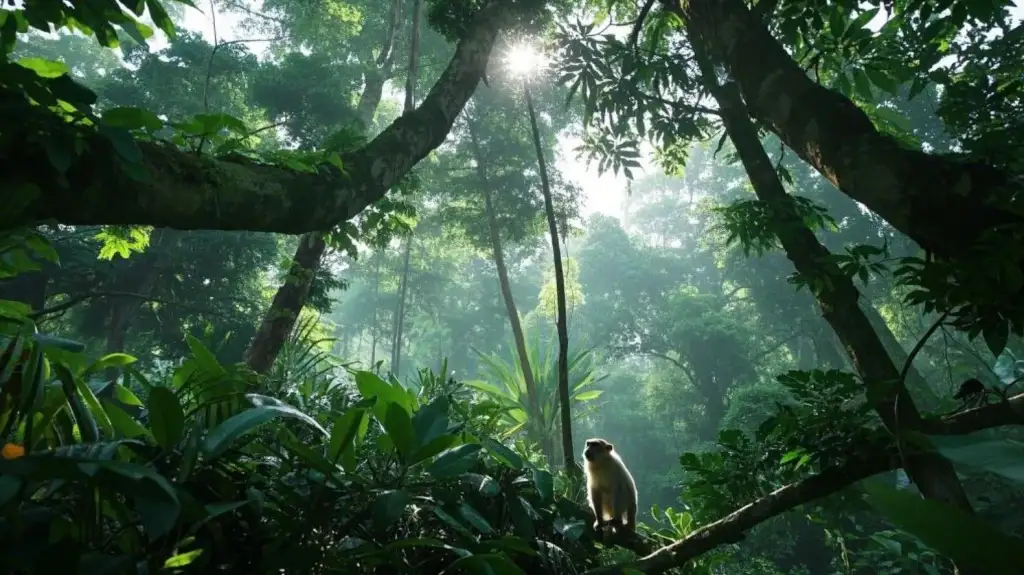
6. Galápagos Islands, Ecuador: A Living Laboratory of Evolution
The Galápagos Islands, located off the coast of Ecuador, are a UNESCO World Heritage Site and one of the most unique and biodiverse places on Earth. Made famous by Charles Darwin's studies of their unique wildlife, the islands are a living laboratory of evolution and a must-visit destination for nature enthusiasts.
Why Visit the Galápagos Islands?
- Unique Wildlife: The Galápagos are home to an incredible array of endemic species, including giant tortoises, marine iguanas, and blue-footed boobies. The islands' isolation has allowed these species to evolve in unique ways, making them a fascinating subject for wildlife observation.
- Snorkeling and Diving: The waters surrounding the Galápagos are teeming with marine life, including sea lions, sea turtles, and hammerhead sharks. Snorkeling and diving in the islands offer unparalleled opportunities to explore this underwater wonderland.
- Conservation Efforts: The Galápagos are a model for conservation and sustainable tourism. Visitors can learn about the ongoing efforts to protect the islands' unique ecosystems and contribute to these efforts by following responsible tourism practices.
Tips for Visiting the Galápagos Islands:
- Book a Guided Tour: The Galápagos are a protected area, and visitors are required to be accompanied by a certified guide. Booking a guided tour ensures that you have access to the islands' best sites and that your visit is conducted in an environmentally responsible manner.
- Respect Wildlife: The Galápagos' wildlife is protected, and it's important to maintain a respectful distance from animals and avoid disturbing their natural behaviors. Follow your guide's instructions and adhere to park regulations.
- Pack Light and Eco-Friendly: When packing for the Galápagos, bring lightweight, eco-friendly clothing and gear. Avoid single-use plastics and bring reusable water bottles and bags to minimize your environmental impact.
Conclusion
South America is a continent of incredible diversity, offering a wide range of attractions that cater to every type of traveler. From the ancient ruins of Machu Picchu and the breathtaking landscapes of Patagonia to the vibrant culture of Rio de Janeiro and the unique wildlife of the Galápagos Islands, there is no shortage of must-see destinations in this remarkable part of the world. Whether you're seeking adventure, relaxation, or cultural immersion, South America has something to offer everyone. So pack your bags, prepare for an unforgettable journey, and get ready to explore the wonders of South America.


