Europe is a living museum, where every cobblestone, castle, and cathedral whispers tales of empires, revolutions, and artistic renaissances. From the sunbaked ruins of ancient Greece to the medieval fortresses of Eastern Europe, the continent’s historical sites offer a time-traveling journey through 5,000 years of human achievement. Whether you’re a history buff, a culture enthusiast, or a casual traveler, this guide highlights 25+ unmissable historical sites—along with tips to dodge crowds, save money, and dive deeper into Europe’s epic past.
1. Italy: The Cradle of Empires
Italy’s legacy as the heart of the Roman Empire and the Renaissance makes it a treasure trove for history lovers.
a. The Colosseum, Rome
- Why Visit: This iconic amphitheater, built in 80 AD, hosted gladiator battles, animal hunts, and mock naval wars for 50,000 spectators.
- Don’t Miss: The underground hypogeum, where gladiators and animals awaited their fate.
- Pro Tip: Buy a Rome Pass for skip-the-line access and free public transport. Visit at sunset for golden-hour photos.
b. Pompeii, Near Naples
- Why Visit: Frozen in time by Mount Vesuvius’ eruption in 79 AD, Pompeii’s ash-preserved streets, mosaics, and frescoes reveal daily Roman life.
- Don’t Miss: The Garden of the Fugitives, where plaster casts of victims’ bodies are hauntingly displayed.
- Pro Tip: Combine with a hike up Mount Vesuvius for panoramic views.
c. The Pantheon, Rome
- Why Visit: A marvel of ancient engineering, this 2,000-year-old temple boasts the world’s largest unreinforced concrete dome.
- Don’t Miss: The oculus, a 9-meter opening that creates a celestial light show at noon.
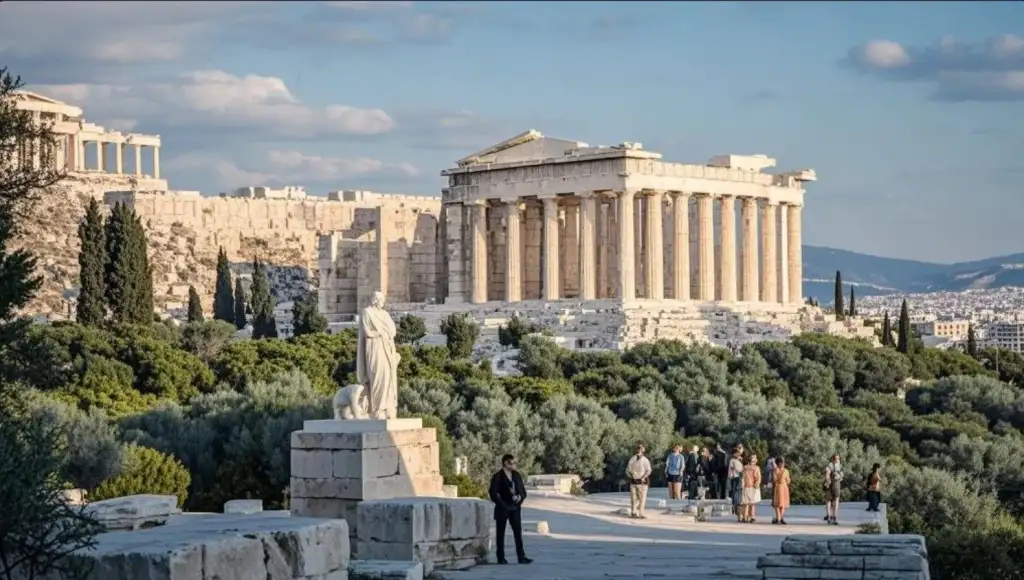
2. Greece: Birthplace of Democracy and Mythology
Walk in the footsteps of philosophers, gods, and warriors.
a. Acropolis of Athens
- Why Visit: The Parthenon, a 5th-century BC temple dedicated to Athena, symbolizes the peak of ancient Greek civilization.
- Don’t Miss: The Acropolis Museum’s glass floors, which reveal excavated ruins beneath.
- Pro Tip: Arrive at opening (8 AM) to avoid crowds and midday heat.
b. Delphi
- Why Visit: Considered the “center of the world” by ancient Greeks, Delphi was home to the Oracle of Apollo.
- Don’t Miss: The Temple of Apollo and the Delphi Archaeological Museum’s Charioteer statue.
c. Palace of Knossos, Crete
- Why Visit: The heart of the Minoan civilization (circa 1900 BC), this labyrinthine palace is tied to the myth of the Minotaur.
- Don’t Miss: Vibrant frescoes depicting dolphins and bull-leaping rituals.
3. France: From Roman Arenas to Gothic Splendor
a. Pont du Gard, Provence
- Why Visit: This 1st-century Roman aqueduct, a UNESCO site, carried water to Nîmes across 50 km.
- Don’t Miss: Kayaking beneath its arches on the Gardon River.
b. Mont Saint-Michel, Normandy
- Why Visit: A medieval abbey perched on a tidal island, this Gothic masterpiece has inspired pilgrims and artists since the 8th century.
- Pro Tip: Check tide schedules—the island becomes a mystical fortress surrounded by water.
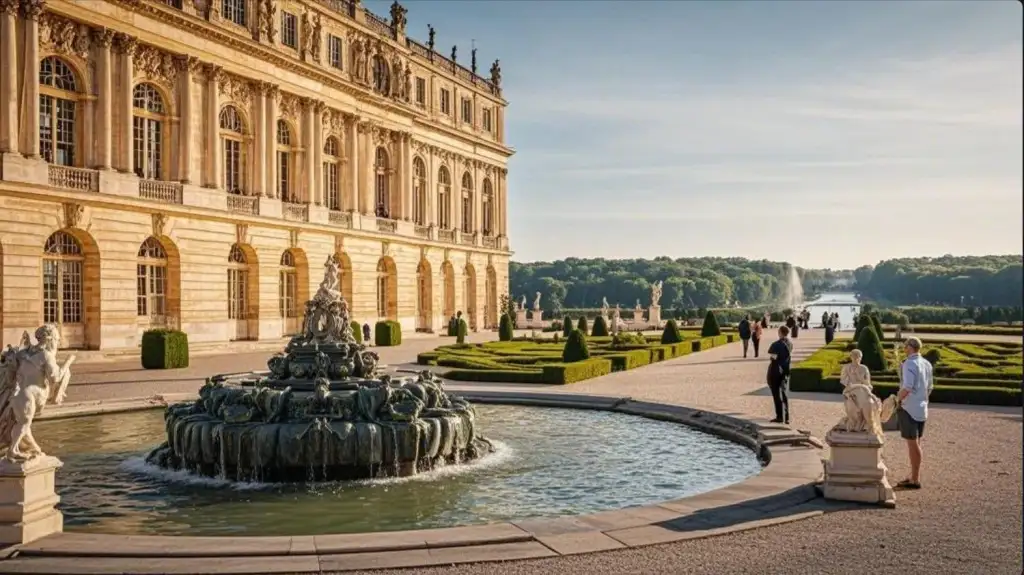
c. Palace of Versailles
- Why Visit: Louis XIV’s opulent 17th-century palace epitomizes Baroque excess, with its Hall of Mirrors and 800-hectare gardens.
- Don’t Miss: The Musical Gardens Show (Saturdays in summer), where fountains dance to classical music.
4. United Kingdom: Stone Circles, Castles, and Medieval Legends
a. Stonehenge, Wiltshire
- Why Visit: This 5,000-year-old Neolithic monument’s purpose remains a mystery—astronomical calendar? Burial site?
- Pro Tip: Book a Stone Circle Access Tour to enter the inner circle at sunrise or sunset.
b. Edinburgh Castle, Scotland
- Why Visit: Perched on volcanic rock, this fortress witnessed everything from Viking invasions to the Scottish Enlightenment.
- Don’t Miss: The One O’Clock Gun, fired daily (except Sundays) since 1861.
c. Tower of London
- Why Visit: A former royal palace, prison, and execution site (RIP Anne Boleyn), now home to the Crown Jewels.
- Pro Tip: Join a Beefeater tour for grisly tales of Tudor intrigue.
5. Spain: Moorish Masterpieces and Gothic Grandeur
a. Alhambra, Granada
- Why Visit: This 13th-century Islamic palace, with its intricate stucco, arabesques, and Generalife gardens, is Spain’s crown jewel.
- Pro Tip: Book tickets 3 months in advance—entry is capped, and slots sell out fast.
b. Sagrada Família, Barcelona
- Why Visit: Gaudí’s unfinished Modernist basilica blends Gothic and Art Nouveau, with nature-inspired columns and kaleidoscopic stained glass.
- Don’t Miss: The Passion Facade’s stark, angular sculptures depicting Christ’s crucifixion.
c. Roman Aqueduct of Segovia
- Why Visit: This 1st-century Roman engineering marvel, with 167 arches, once carried water 15 km to the city.
- Pro Tip: Try Segovia’s famous cochinillo (roast suckling pig) after exploring.
6. Germany: Medieval Towns and Imperial Palaces
a. Cologne Cathedral
- Why Visit: A Gothic masterpiece that took 632 years to complete, this UNESCO site survived WWII bombings.
- Don’t Miss: The shrine of the Three Kings, said to hold the remains of the Biblical Magi.
b. Neuschwanstein Castle, Bavaria
- Why Visit: The “Disney Castle” was built by eccentric King Ludwig II as a homage to Wagnerian operas.
- Pro Tip: Hike to Marienbrücke bridge for the iconic postcard view.
c. Berlin Wall Memorial
- Why Visit: A poignant Cold War relic, with preserved sections, watchtowers, and stories of escape attempts.
7. Eastern Europe: Hidden Gems and Resilient Heritage
a. Dubrovnik City Walls, Croatia
- Why Visit: Walk the 2 km-long medieval walls for Adriatic views and Game of Thrones filming spots.
- Pro Tip: Visit in October for fewer crowds and warm weather.
b. Wawel Castle, Kraków
- Why Visit: Poland’s political and cultural heart for centuries, blending Romanesque, Gothic, and Renaissance styles.
- Don’t Miss: The dragon’s den beneath the castle, tied to a local legend.
c. Bran Castle, Romania
- Why Visit: The “Dracula Castle” (though tenuously linked to Vlad the Impaler) offers Gothic spookiness in Transylvania.
8. Scandinavia: Viking Sagas and Norse Legends
a. Viking Ship Museum, Oslo
- Why Visit: See 9th-century Viking longships used in burials, adorned with carvings of serpents and gods.
b. Gamla Uppsala, Sweden
- Why Visit: Ancient burial mounds of Norse kings and a pagan temple site mentioned in Viking sagas.
c. Þingvellir National Park, Iceland
- Why Visit: The Alþingi, established in 930 AD, was the Viking world’s first democratic parliament. Bonus: Stand between tectonic plates!
Tips for Exploring Europe’s Historical Sites
- Buy Tickets Online: Skip lines and secure entry to popular sites like the Colosseum or Alhambra.
- Guided vs. Solo Tours: Opt for guided tours at complex sites (e.g., Pompeii) but explore at your pace elsewhere.
- Respect Rules: Don’t touch ancient mosaics, lean on fragile walls, or fly drones where prohibited.
- Dress Smartly: Cover shoulders and knees in religious sites (e.g., Vatican, mosques).
- Use Local Guides: They’ll share stories you won’t find in guidebooks.
Conclusion: Time Travel Made Easy
Europe’s historical sites are more than relics—they’re portals to bygone eras where emperors ruled, artists innovated, and everyday people lived, loved, and struggled. By visiting these wonders thoughtfully, you honor their legacy and ensure they endure for future generations. So pack your curiosity, comfortable shoes, and a sense of wonder, and let Europe’s ancient stones tell you their secrets.


