Traveling to a new destination often involves more than just exploring the sights and savoring the local cuisine; it's also about bringing back a piece of that place with you. Authentic souvenirs, crafted by local artisans, serve as timeless reminders of your journey, encapsulating the culture, history, and spirit of the region. From intricate handmade jewelry to beautifully woven textiles, traditional crafts offer a glimpse into the artistic heritage of various countries. In this guide, we'll delve into the world of traditional crafts and artisans, highlighting some of the best places to find unique and authentic souvenirs during your travels.
Asia: A Treasure Trove of Handicrafts
Asia boasts a rich tapestry of traditional crafts, each country offering a distinct flavor and style. In Japan, for instance, the art of pottery, particularly in regions like Kyoto and Shigaraki, dates back centuries. Potters here use traditional techniques to create stunning ceramic pieces, ranging from delicate tea sets to ornate vases. Visitors can often visit workshops and studios, where they can witness the artisans at work and even purchase their creations directly.
Neighboring China is renowned for its intricate silk weaving, porcelain, and jade carving. Hangzhou, known as the "City of Silk," is a particularly good place to explore the delicate art of silk production. Here, you'll find vibrant silk scarves, garments, and accessories that perfectly capture the essence of Chinese elegance. Additionally, the Jingdezhen region is famous for its high-quality porcelain, with workshops offering a chance to observe the ancient process of making these beautiful ceramics.
Moving south to Thailand, you'll encounter an array of vibrant handicrafts, including intricate silver jewelry, woven silk, and beautifully crafted wooden figurines. Chiang Mai, the cultural heart of northern Thailand, is a hub for these crafts. The city's Night Bazaar is a bustling market where you can barter for handmade goods directly with the artisans who created them. Don't miss the opportunity to visit local villages, where you can observe traditional weaving and silversmithing techniques in action.
Europe: A Melting Pot of Artistic Traditions
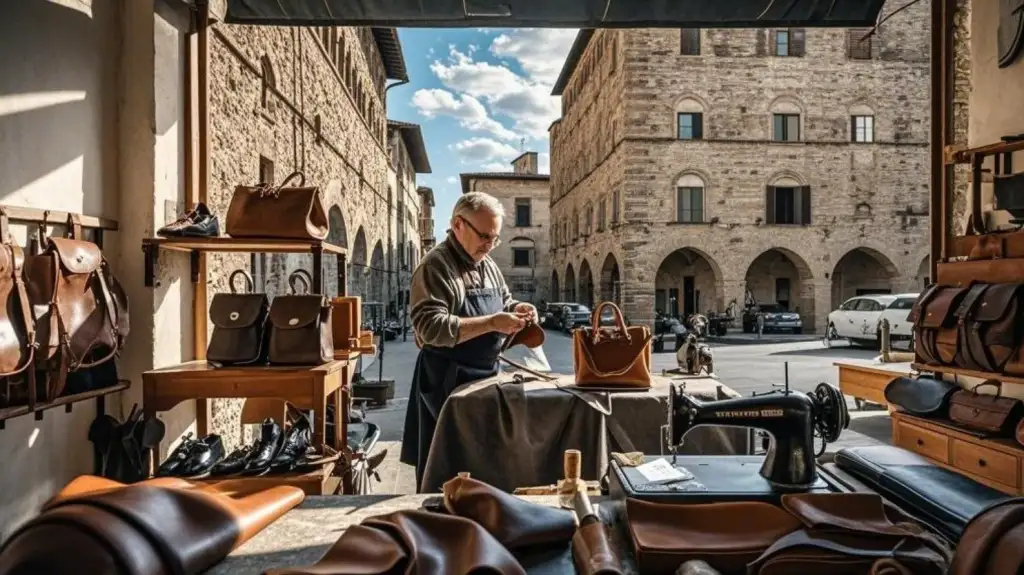
Europe, with its long history and diverse cultures, is another continent where traditional crafts flourish. Italy, in particular, is synonymous with excellence in craftsmanship. From the stunning leather goods of Florence to the intricate marquetry of Venice, Italian artisans have perfected their crafts over generations. In Florence, leather workshops invite visitors to watch as skilled craftsmen transform hides into luxurious bags, shoes, and jackets. Meanwhile, Venice's Glass Museum and surrounding workshops showcase the art of glassblowing, with intricate vases and chandeliers lighting up the city's historic canals.
France, too, boasts a rich tradition of craftsmanship, with regions like Provence known for its colorful fabrics, pottery, and olive oil. In the village of Aubusson, you'll find master tapestry weavers creating intricate designs on handwoven rugs and wall hangings. And in Limoges, the porcelain capital of France, you can marvel at the delicate porcelain pieces, from fine dining sets to decorative sculptures.
Spain, with its vibrant culture and artistic heritage, offers a fascinating array of crafts. Andalusia, in southern Spain, is renowned for its ceramic tiles, known as azulejos, which decorate the walls of historic buildings and homes. Pottery workshops in towns like Córdoba and Granada offer visitors the chance to learn about and purchase these colorful tiles. Additionally, the Basque Country in northern Spain is famous for its handmade knives and cutlery, crafted by generations of skilled blacksmiths and bladesmiths.
Latin America: A Fusion of Indigenous and Colonial Crafts
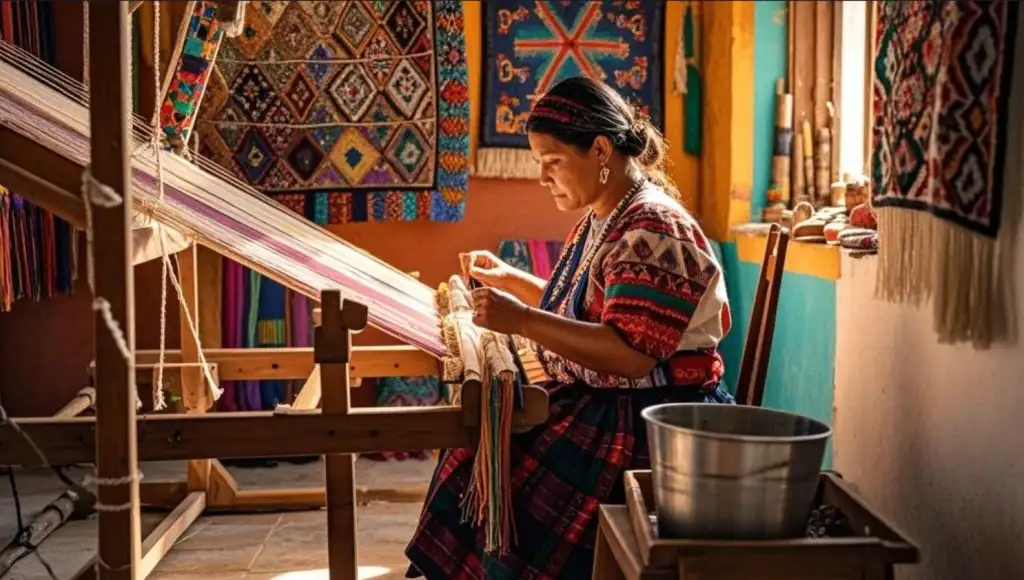
Latin America's rich mix of indigenous and colonial influences creates a unique tapestry of traditional crafts. Mexico, for example, is a treasure trove of handicrafts, with each region specializing in different techniques and materials. Oaxaca is renowned for its vibrant textiles, including the famous handwoven rugs and blankets known as tapetes. The state's artisans use natural dyes to create striking patterns and colors, reflecting the region's cultural heritage.
In Guatemala, the Mayan people have preserved their ancient weaving traditions, creating intricate designs on brightly colored fabrics. The markets in Antigua and Chichicastenango are ideal places to find these traditional textiles, as well as carved wooden masks and ceramics. Visitors can also take part in weaving workshops, learning about the history and techniques behind these beautiful crafts.
Brazil, with its diverse cultural landscape, offers a wide range of traditional crafts. The state of Bahia, in northeastern Brazil, is famous for its capoeira, a traditional fabric made from cotton and dyed with indigo. These fabrics are used to make vibrant clothing, bags, and home decor items. Additionally, Rio de Janeiro's Santa Teresa neighborhood is home to numerous artisan studios, where you can find handcrafted jewelry, ceramics, and textiles.
Africa: A Continent of Unique Handicrafts
Africa's diverse cultures and traditions are reflected in its rich array of crafts. In Morocco, the art of pottery, metalworking, and textile production has been refined over centuries. Marrakech's famous souks are filled with stalls selling intricate tiles, lanterns, and woven rugs, often adorned with traditional Moroccan patterns. Visitors can also visit nearby villages, such as those in the Atlas Mountains, where they can witness the traditional process of making Berber rugs and pottery.
Nigeria, known for its vibrant culture and artistic heritage, offers a fascinating array of crafts. The Hausa people of northern Nigeria are renowned for their beadwork, creating intricate designs using colorful glass beads. These beads are used to decorate clothing, jewelry, and home decor items. Additionally, the Igbo people of southeastern Nigeria are famous for their weaving traditions, producing beautiful baskets, mats, and wall hangings.
Ethiopia, with its ancient history and rich cultural heritage, boasts a unique array of crafts. The Oromo people are known for their skill in weaving traditional textiles, known as shamma, which are used to make vibrant blankets and garments. These textiles are often adorned with intricate geometric patterns, reflecting the Oromo's deep-rooted artistic traditions.
Conclusion: Embracing the Art of Traditional Crafts
Bringing back an authentic souvenir from your travels is more than just a keepsake; it's a way to honor the local artisans who have preserved and perfected their crafts over generations. By seeking out traditional crafts and supporting local artisans, you're not only taking home a piece of the place you've visited but also contributing to the preservation of its cultural heritage. Whether you're exploring the bustling markets of Asia, the artistic workshops of Europe, the vibrant crafts of Latin America, or the unique traditions of Africa, there's no shortage of beautiful and meaningful souvenirs waiting to be discovered. So, the next time you travel, take the time to explore the world of traditional crafts and bring back a piece of that place's rich history and artistic spirit.
haley
|
2025.03.19


